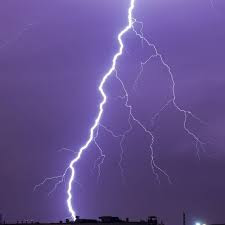
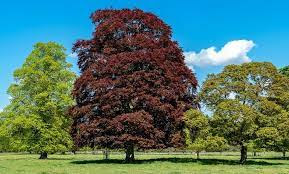
Normally I post observations on words and language, etymology being my fascination. Yet occasionally I add something a little different, invariably these snippets are uncovered while researching - many will tell you how often you find more interesting stuff when looking for something specific than you ever find for the subject in hand - and one example came when I was looking through old copies of the Derby Mercury. One copy of the Mercury from October 1837, claimed that beech trees are never struck by lightning and how Native Americans have always known this.
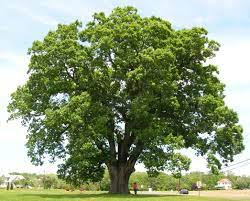
It nagged at me and so I chose to find out whether this was factual or not. I discovered the tree most likely to be hit by lightning is the oak. But this is not saying that oak trees will attract lightning more than any other, we also have to take into consideration the vast number of oaks and that oaks are likely the tallest of trees and contain more moisture than surrounding trees.
And the beech? Another sizable tree, but one which has a higher fat content than most woods, and therefore is a better conductor of electricity. This means the bolt of lightning is more likely to run to the ground. But does this make it safer? Absolutely not, leaning against any tree as it is hit by lightning is likely to mean you get a rather nasty shock (at best).
If any tree could be said to be less likely to be hit than any other, that might just be the birch. It has a high oil content and is a poor conductor of electricity. But any discussion regarding conductivity of the wood and its content is largely pointless, for lightning and thunder is invariably associated with something else - RAIN. Water is an excellent conductor, hence why you should not mix electrical appliances and the bath. If the tree is wet during the storm, any electrical discharge is likely going to run through the moisture rather than the wood. Furthermore, the person underneath the tree is likely wet through, too. Immaterial of the tree you're under, the likelihood of being hit is the same.
Sunday, 30 January 2022
Sunday, 23 January 2022
Alphabetical order
For the last few weeks, I have posted a number of words which have changed in meaning and/or usage over the years. I do hope you enjoyed some of these and found something interesting.
When preparing those posts, I discovered something which for me was really weird. Alphabetical order, the way I used to post the words and the system of sorting which is common to most lists, has only been used since about 400BCE. How on earth did anything get sorted before then and what changed?
The obvious explanation as to other forms of ordering is down to the lack of an alphabet. There are plenty of other forms of writing which does not use an alphabet - think of cuneiform, hieroglyphs, the many Asian forms of writing - hence alphabetical order is simply not possible before the invention of the alphabet. Furthermore, until those first letters or characters were sorted into an accepted order, no alphabetical base existed and thus no alphabetical order.
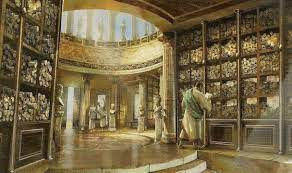
The first evidence of alphabetical order comes from the famed Library of Alexandria around 2,300 years ago. It is reasonably safe to assume this can never have been used unless alphabetical order was already in use - otherwise how would any user of the library have known where to look to find what they were looking for? Even then the use of alphabetical order would have been mostly pointless for most of the next 1,500 plus years, as most libraries and records offices simply did not have enough books and documents to warrant its use.
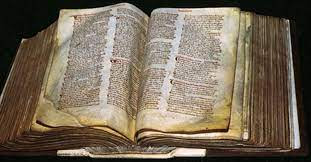
Take the famous Domesday Book, for example. The original is based on a system where they were sorted initially by status and then geography. Luckily later publications have opted to go for counties and then alphabetical order, or it might take many hours sorting through the 13,418 places listed. Two centuries later and religious documents are still being ordered theologically. Hence, 'angel' did not come before 'God', the order more based on status and then order of creation. Even as recently as the early nineteenth century, alphabetical order was seen as tantamount to sorting a broken mirror by just gathering up the pieces. This was how poet Samuel Taylor Coleridge described encyclopaedias, he preferred things sorted by themes.
Before you laugh at the ridiculous ideas of how to sort items in a list or record, keep in mind it is not that long ago - before the days of the internet and the search engine - we often paused in looking up something, to wonder what will it be filed under? Remember looking up something only to find 'Look under ....."?
When preparing those posts, I discovered something which for me was really weird. Alphabetical order, the way I used to post the words and the system of sorting which is common to most lists, has only been used since about 400BCE. How on earth did anything get sorted before then and what changed?
The obvious explanation as to other forms of ordering is down to the lack of an alphabet. There are plenty of other forms of writing which does not use an alphabet - think of cuneiform, hieroglyphs, the many Asian forms of writing - hence alphabetical order is simply not possible before the invention of the alphabet. Furthermore, until those first letters or characters were sorted into an accepted order, no alphabetical base existed and thus no alphabetical order.
The first evidence of alphabetical order comes from the famed Library of Alexandria around 2,300 years ago. It is reasonably safe to assume this can never have been used unless alphabetical order was already in use - otherwise how would any user of the library have known where to look to find what they were looking for? Even then the use of alphabetical order would have been mostly pointless for most of the next 1,500 plus years, as most libraries and records offices simply did not have enough books and documents to warrant its use.
Take the famous Domesday Book, for example. The original is based on a system where they were sorted initially by status and then geography. Luckily later publications have opted to go for counties and then alphabetical order, or it might take many hours sorting through the 13,418 places listed. Two centuries later and religious documents are still being ordered theologically. Hence, 'angel' did not come before 'God', the order more based on status and then order of creation. Even as recently as the early nineteenth century, alphabetical order was seen as tantamount to sorting a broken mirror by just gathering up the pieces. This was how poet Samuel Taylor Coleridge described encyclopaedias, he preferred things sorted by themes.
Before you laugh at the ridiculous ideas of how to sort items in a list or record, keep in mind it is not that long ago - before the days of the internet and the search engine - we often paused in looking up something, to wonder what will it be filed under? Remember looking up something only to find 'Look under ....."?
Sunday, 16 January 2022
That was not what I meant. (WXYZ)
I'm not commenting on the fourth word in today's list, I'm going for a walk instead.
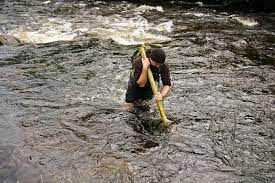
Wade is today specifically 'to walk through water', originally it just meant 'to progress'.
Wafts are only carried through the air, although in the original sense it described ships moving in convoy.
Waif or stray is an abandoned child or animal, but in the fourteenth century it was a piece of property without an owner.
Walk needs no explanation, except in the thirteenth century the word meant 'roll, toss'.
Watch, as in 'to be alert', was originally simply used to mean someone was awake.
Well as in 'healthy', began in English as meaning 'happy, fortunate'.
Wince is to 'shrink from pain', but in the thirteenth century meant 'to kick restlessly' and was used often when referring to horses.
With is 'accompanying' today, but in Old English it had entirely the opposite meaning of 'against'.
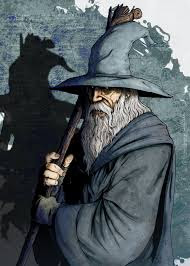
Wizard is a magician today, but if we look at it as 'wise-ard' we can see the original idea of a wise man.
Worry of 'fret' was used as recently as 1606 to mean 'strangle'.
Wrong didn't mean 'incorrect' until the fifteenth century, prior to that it was 'crooked, bent'.
Zoology refers to the study of animals, but originally referred to the study of animals in the pursuit of finding cures for human ailments.
Wade is today specifically 'to walk through water', originally it just meant 'to progress'.
Wafts are only carried through the air, although in the original sense it described ships moving in convoy.
Waif or stray is an abandoned child or animal, but in the fourteenth century it was a piece of property without an owner.
Walk needs no explanation, except in the thirteenth century the word meant 'roll, toss'.
Watch, as in 'to be alert', was originally simply used to mean someone was awake.
Well as in 'healthy', began in English as meaning 'happy, fortunate'.
Wince is to 'shrink from pain', but in the thirteenth century meant 'to kick restlessly' and was used often when referring to horses.
With is 'accompanying' today, but in Old English it had entirely the opposite meaning of 'against'.
Wizard is a magician today, but if we look at it as 'wise-ard' we can see the original idea of a wise man.
Worry of 'fret' was used as recently as 1606 to mean 'strangle'.
Wrong didn't mean 'incorrect' until the fifteenth century, prior to that it was 'crooked, bent'.
Zoology refers to the study of animals, but originally referred to the study of animals in the pursuit of finding cures for human ailments.
Sunday, 9 January 2022
That's not what I meant (V)
Strange original meaning for 'verge'.
Vegetables are the fruits of plants grown for food, or sometimes the leaves, but once described something or someone seen as living the life of a plant.
Verge is a border or margin, today. It began as the Latin virga or 'rod', and was first used in English to mean 'penis'.
Vice, and we are talking about the device used to grip objects in DIY, originally referred to a 'winding staircase'.
Victim is today referring to one who suffers, originally it spoke of one about to suffer for it described a person or animal caught to be offered as a sacrifice.
Vulgar or 'crude' began in the fourteenth century meaning 'ordinary, common'.
Vegetables are the fruits of plants grown for food, or sometimes the leaves, but once described something or someone seen as living the life of a plant.
Verge is a border or margin, today. It began as the Latin virga or 'rod', and was first used in English to mean 'penis'.
Vice, and we are talking about the device used to grip objects in DIY, originally referred to a 'winding staircase'.
Victim is today referring to one who suffers, originally it spoke of one about to suffer for it described a person or animal caught to be offered as a sacrifice.
Vulgar or 'crude' began in the fourteenth century meaning 'ordinary, common'.
Sunday, 2 January 2022
That's not what I meant (U)
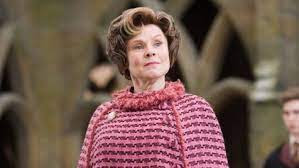
Delores Umbrage, of Harry Potter fame, may be interested to see where her surname was originally going.
Umbrage or resentment, once referred to the dappled shade offered by trees.
Uncanny or 'weird' started out as meaning 'malicious'.
Uncouth or 'boorish' was used to mean 'not known' in the thirteenth century.
Undertaker is today a funeral director, for most of English history it simply meant one who did something, a helper.
Unwieldly or 'awkward' started out describing someone 'feeble'.
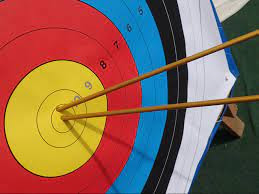
Upshot or 'consequence' began as a term referring to the final shot in an archery contest.
Umbrage or resentment, once referred to the dappled shade offered by trees.
Uncanny or 'weird' started out as meaning 'malicious'.
Uncouth or 'boorish' was used to mean 'not known' in the thirteenth century.
Undertaker is today a funeral director, for most of English history it simply meant one who did something, a helper.
Unwieldly or 'awkward' started out describing someone 'feeble'.
Upshot or 'consequence' began as a term referring to the final shot in an archery contest.
Labels:
archery,
awkward,
feeble,
funeral,
HarryPotter,
Hogwarts,
shade,
trees,
undertaker,
weird
Sunday, 26 December 2021
That's not what I meant (T)
Tact began in the much more literal sense of 'sense of touch', rather than 'thoughtfulness'.
Tall has only been used in the modern sense since the sixteenth century. It's original uses include 'brave', 'elegant' and 'handsome'.
Tamper or 'meddle' was first used to mean 'work in clay'.
Team, the group of people working together, was originally used to describe the young as in 'brood, litter'.
Temperament or 'mood', originally referred to body heat.
Terse or concise, was originally used to mean 'polished' or 'smoothed'.
Thews are 'muscles', but when first seen in English would be used to mean 'conduct, usage, custom'.
Thrift or economy, first meant simply 'thrive'.
Thrill is 'excite' today, but at first meant 'pierce'. I wouldn't want to be thrilled by a knife.
Tidy or 'neat' began in English as a synonym for 'plump'.
Tippler was not original one who drank the alcohol, but the one who served it.
Toil is to work today, especially to work hard or laboriously, originally it referred to an argument.
Toilet originally meant 'cloth', it coming from the French toile.
Tonic is today seen as a medicine which peps a person up. Originally? It referred to music.
Toy is a plaything today, but in the fourteenth century was the equivalent of 'flirting'.
Travel is to journey, originally it came from the French travailler 'to work'.
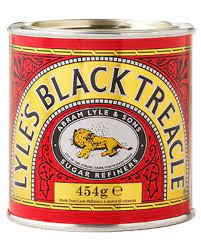
Treacle is a type of syrup, but in the fourteenth century was a salve or antidote.
Truncheon is a policeman's club today, originally it was a 'fragment' or something.
Tunnels today are routes underground, but originally they were long tubular nets narrowing at one end, used for catching birds.
Tyres are found covering wheels, thus we can see the origin as in the same root as 'attire' for that was what the word originally meant.
Tall has only been used in the modern sense since the sixteenth century. It's original uses include 'brave', 'elegant' and 'handsome'.
Tamper or 'meddle' was first used to mean 'work in clay'.
Team, the group of people working together, was originally used to describe the young as in 'brood, litter'.
Temperament or 'mood', originally referred to body heat.
Terse or concise, was originally used to mean 'polished' or 'smoothed'.
Thews are 'muscles', but when first seen in English would be used to mean 'conduct, usage, custom'.
Thrift or economy, first meant simply 'thrive'.
Thrill is 'excite' today, but at first meant 'pierce'. I wouldn't want to be thrilled by a knife.
Tidy or 'neat' began in English as a synonym for 'plump'.
Tippler was not original one who drank the alcohol, but the one who served it.
Toil is to work today, especially to work hard or laboriously, originally it referred to an argument.
Toilet originally meant 'cloth', it coming from the French toile.
Tonic is today seen as a medicine which peps a person up. Originally? It referred to music.
Toy is a plaything today, but in the fourteenth century was the equivalent of 'flirting'.
Travel is to journey, originally it came from the French travailler 'to work'.
Treacle is a type of syrup, but in the fourteenth century was a salve or antidote.
Truncheon is a policeman's club today, originally it was a 'fragment' or something.
Tunnels today are routes underground, but originally they were long tubular nets narrowing at one end, used for catching birds.
Tyres are found covering wheels, thus we can see the origin as in the same root as 'attire' for that was what the word originally meant.
Sunday, 19 December 2021
That's not what I meant (S)
I do wish 'snob' had the original meaning today.
Sake is today only ever used after 'for' as in for heaven's sake'. Originally the word was a synonym for 'strife, dispute' and even 'guilt'.
Satellites are always in space, be they artificial or natural, aren't they? No. In the sixteenth century they were attendants to a person of high rank.
Saturate or soaked to the most degree today, in the sixteenth century was to completely satisfy.
Saucers today hold cups, the original sense was a small dish to hold sauce - which makes much more sense.
Savage or 'fierce' first came to English from the Latin silva meaning 'wood, forest'.
Scale is rapidly replacing 'scales' when referring to the weighing instrument, but earlier referring to the pans used for weighing (hence the plural) and started out as a drinking bowl.
Scavengers collect things discarded by others, while the first scavengers were officers employed to collect tolls levied by a mayor of a town or sheriff of a county.
Schedule, or timetable, began in the fourteenth century as a ticket or memorandum.
Scold is to reprimand, while the thirteenth century version would have been a noun describing a woman who used foul or coarse language.
Score has taken on any number of meanings, including the original sense of 'twenty'.
Secretary is one who handles correspondence, but in the fourteenth century referred to confidantes - literally those who kept secrets.
Secure, today meaning 'safe, dependable', originally meant 'carefree'.
Seedy, used in the sense of 'off colour', in the sixteenth century it described something full of seeds, which seems to make more sense until you think about the same logic applied elsewhere, which would give us cows described as 'milky', humans described as 'bloody', and rivers as 'watery'.
Seminary is an educational establishment where priests are trained, but not until the nineteenth century. Originally it referred to a seed plot or bed.
Sequins were once sewn on by the wearer of the dress in the series Come Dancing (never did understand why that was relevant to the performance), although originally they were gold coins and would have made for a very heavy dress to dance in.
Shambles may be a scene of chaos today, but originally it was a meat market.
Shampoo washes hair today, but from the original Hindi it was a verb and meant 'to massage'. Hence the 'shampoo' was not the liquid used to wash with, but the action of massaging it in originally.
Sheer can mean 'thin, pure, precipitous' today. Originally? It meant 'shining'.
Shift is to 'move, alter', and began meant simply 'arrange'.
Show or 'to point out' was originally used to mean 'see, look out, examine'.
Shrewd or cunning, is first used in English to mean 'wicked, hurtful'.
Shroud today refers to a garment used in burials, originally all garments were shrouds.
Shunt is used mainly to refer to the movement on the railways, although the minor use of 'divert' is still current, but it began meaning 'shrink away'.
Silly meant 'happy, blessed' in the thirteenth century and has only had a negative sense since the seventeenth century.
Skirts are today worn from the waist down, originally they were worn from the shoulder and were more a 'shift' than a 'skirt'.
Sky today refers to the heavens, while the original Norse word referred to 'cloud' which, by definition, has to be in the atmosphere and not the heavens. Note the origin of 'cloud' didn't refer to 'clouds' but meant 'hills'.
Slipshod or 'careless', began describing someone wearing slippers - again this makes more sense.
Slug, those things loathed by gardeners, originally referred to what we would term 'sluggard', one seen as lazy.
Smoulder, or to burn without a flame, began in the fourteenth century as a synonym for 'smother'.
Smug or self-satisfied, was used in the sixteenth century to describe someone appearing neat and trimly attired.
Snack is a small repast, a light refreshment. You certainly wouldn't want one in the fifteenth century, for it was a dog bite.
Snob or superior, started out in English meaning a 'shoemaker or cobbler', and also used by Oxbridge students to refer to the townsmen.
Socket, mainly electrical but generally anything made to accept a mating part, began as simply a little sock - could have guessed that, perhaps.
Solicit, to request, had the original usage of 'disturb' or even 'manage'.
Soluble items dissolve in water, but in the fifteenth century anything soluble was a solution to constipation.
Specious originally meant 'beautiful, plausible' instead of the modern 'false'.
Spilling a liquid today is not desirable, but from the fourteenth century 'spill' was used to mean 'kill, destroy'.
Spire is the tall steeple of a church (usually), but in the original sense describes the stems of tall plants.
Spring was not a season originally, but another word for what we call Lent.
Suggestion may be a proposal today, but when it first came to English from the French in the seventeenth century it meant 'prompting evil'.
Supercede is a synonym for 'replace' today, but began meaning 'postpone'.
Surly has really changed about for rather than the modern 'ill-mannered', in the sixteenth century it described someone as 'lordly' even 'majestic'.
Sake is today only ever used after 'for' as in for heaven's sake'. Originally the word was a synonym for 'strife, dispute' and even 'guilt'.
Satellites are always in space, be they artificial or natural, aren't they? No. In the sixteenth century they were attendants to a person of high rank.
Saturate or soaked to the most degree today, in the sixteenth century was to completely satisfy.
Saucers today hold cups, the original sense was a small dish to hold sauce - which makes much more sense.
Savage or 'fierce' first came to English from the Latin silva meaning 'wood, forest'.
Scale is rapidly replacing 'scales' when referring to the weighing instrument, but earlier referring to the pans used for weighing (hence the plural) and started out as a drinking bowl.
Scavengers collect things discarded by others, while the first scavengers were officers employed to collect tolls levied by a mayor of a town or sheriff of a county.
Schedule, or timetable, began in the fourteenth century as a ticket or memorandum.
Scold is to reprimand, while the thirteenth century version would have been a noun describing a woman who used foul or coarse language.
Score has taken on any number of meanings, including the original sense of 'twenty'.
Secretary is one who handles correspondence, but in the fourteenth century referred to confidantes - literally those who kept secrets.
Secure, today meaning 'safe, dependable', originally meant 'carefree'.
Seedy, used in the sense of 'off colour', in the sixteenth century it described something full of seeds, which seems to make more sense until you think about the same logic applied elsewhere, which would give us cows described as 'milky', humans described as 'bloody', and rivers as 'watery'.
Seminary is an educational establishment where priests are trained, but not until the nineteenth century. Originally it referred to a seed plot or bed.
Sequins were once sewn on by the wearer of the dress in the series Come Dancing (never did understand why that was relevant to the performance), although originally they were gold coins and would have made for a very heavy dress to dance in.
Shambles may be a scene of chaos today, but originally it was a meat market.
Shampoo washes hair today, but from the original Hindi it was a verb and meant 'to massage'. Hence the 'shampoo' was not the liquid used to wash with, but the action of massaging it in originally.
Sheer can mean 'thin, pure, precipitous' today. Originally? It meant 'shining'.
Shift is to 'move, alter', and began meant simply 'arrange'.
Show or 'to point out' was originally used to mean 'see, look out, examine'.
Shrewd or cunning, is first used in English to mean 'wicked, hurtful'.
Shroud today refers to a garment used in burials, originally all garments were shrouds.
Shunt is used mainly to refer to the movement on the railways, although the minor use of 'divert' is still current, but it began meaning 'shrink away'.
Silly meant 'happy, blessed' in the thirteenth century and has only had a negative sense since the seventeenth century.
Skirts are today worn from the waist down, originally they were worn from the shoulder and were more a 'shift' than a 'skirt'.
Sky today refers to the heavens, while the original Norse word referred to 'cloud' which, by definition, has to be in the atmosphere and not the heavens. Note the origin of 'cloud' didn't refer to 'clouds' but meant 'hills'.
Slipshod or 'careless', began describing someone wearing slippers - again this makes more sense.
Slug, those things loathed by gardeners, originally referred to what we would term 'sluggard', one seen as lazy.
Smoulder, or to burn without a flame, began in the fourteenth century as a synonym for 'smother'.
Smug or self-satisfied, was used in the sixteenth century to describe someone appearing neat and trimly attired.
Snack is a small repast, a light refreshment. You certainly wouldn't want one in the fifteenth century, for it was a dog bite.
Snob or superior, started out in English meaning a 'shoemaker or cobbler', and also used by Oxbridge students to refer to the townsmen.
Socket, mainly electrical but generally anything made to accept a mating part, began as simply a little sock - could have guessed that, perhaps.
Solicit, to request, had the original usage of 'disturb' or even 'manage'.
Soluble items dissolve in water, but in the fifteenth century anything soluble was a solution to constipation.
Specious originally meant 'beautiful, plausible' instead of the modern 'false'.
Spilling a liquid today is not desirable, but from the fourteenth century 'spill' was used to mean 'kill, destroy'.
Spire is the tall steeple of a church (usually), but in the original sense describes the stems of tall plants.
Spring was not a season originally, but another word for what we call Lent.
Suggestion may be a proposal today, but when it first came to English from the French in the seventeenth century it meant 'prompting evil'.
Supercede is a synonym for 'replace' today, but began meaning 'postpone'.
Surly has really changed about for rather than the modern 'ill-mannered', in the sixteenth century it described someone as 'lordly' even 'majestic'.
Subscribe to:
Posts (Atom)