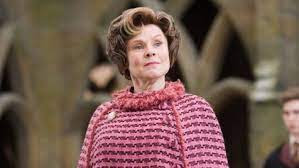
Delores Umbrage, of Harry Potter fame, may be interested to see where her surname was originally going.
Umbrage or resentment, once referred to the dappled shade offered by trees.
Uncanny or 'weird' started out as meaning 'malicious'.
Uncouth or 'boorish' was used to mean 'not known' in the thirteenth century.
Undertaker is today a funeral director, for most of English history it simply meant one who did something, a helper.
Unwieldly or 'awkward' started out describing someone 'feeble'.
Upshot or 'consequence' began as a term referring to the final shot in an archery contest.
Showing posts with label funeral. Show all posts
Sunday, 2 January 2022
Sunday, 1 August 2021
Suicide
Not until 1822 when the Church of England changed its mind were suicides allowed burial in consecrated ground. Even then it was only agreed as from the following year.
While burial was permitted, they were denied any ritual until 1880, and not allowed a Christian burial until February 2015 when the Church of England Synod voted, and by 262 to 5, in favour of lifting the restrictions - and mostly because most of the clergy had already chosen to ignore the ban anyway, this mostly due to a better understanding of mental health problems.
Originally the Church of England simply adopted the view of the earlier Catholic Church in England, where suicide was considered a sin. Prior to the development of Christianity, suicide was a common way to die. Personal suicide avoided shame or suffering, institutional suicide gave a way out for royal servants, convicted criminals, distraught widows, and as a form of euthanasia for the elderly or infirm.
While burial was permitted, they were denied any ritual until 1880, and not allowed a Christian burial until February 2015 when the Church of England Synod voted, and by 262 to 5, in favour of lifting the restrictions - and mostly because most of the clergy had already chosen to ignore the ban anyway, this mostly due to a better understanding of mental health problems.
Originally the Church of England simply adopted the view of the earlier Catholic Church in England, where suicide was considered a sin. Prior to the development of Christianity, suicide was a common way to die. Personal suicide avoided shame or suffering, institutional suicide gave a way out for royal servants, convicted criminals, distraught widows, and as a form of euthanasia for the elderly or infirm.
Tuesday, 29 May 2018
The Castle Inn Fire
On 2nd November 1838.chambermaid Mary Gardner, cook Harriet Bonner, waitress Mary Ann Rooth, barmaid Caroline Smith and kitchen maids Mary Chatterton and Harriet Buswell had all retired to bed by 1:30am on the Friday morning. About two hours later the alarm cry went up when someone called out FIRE! Landlords Mr and Mrs Webb awoke and, on opening the door to the passage, discovered their path was blocked by the smoke and the great heat. On returning to their bedroom they escaped via the rear window, having attracted the attention of those below.
Initially the proprietors were assured the girls were safe. However, it soon became clear they were most likely still inside. A ladder was found and a search discovered the bodies of the girls. Five of the girls had died as a result of asphyxiation, barmaid Caroline Smith discovered at the top of the stairs with her hands and face badly burned. At the inquest a verdict of accidental death was recorded. The cause has never been understood.
Four days later one of the most elaborate of public funerals ever seen in Tamworth took place. All the shops closed at 4pm as a mark of respect and to allow the funeral procession to come from the Kings Arms to the churchyard of St Editha's. The streets were thronged with mourners and, despite the vast numbers, all was completely silent. All six were buried in a communal grave, later topped by a memorial paid for by public subscription. The massive funeral costs were covered by their employer, Frederick Webb of the Castle Inn.
In the 1960s the remains were removed and reburied at Wigginton Cemetery. Close to one corner of the church lies a headstone to William Smith and, as inscribed on that headstone, nearby the remains of his daughter, Caroline.
Labels:
body,
castle,
fire,
funeral,
library,
memorial,
mourn,
staffordshire,
Tamworth,
Warwickshire
Sunday, 18 February 2018
Blood, Blood and more Blood
The following story was reported in the Lichfield Mercury on Friday October 3rd 1817. It is a tale of quite appalling violence and grief.
On Friday 26th September 1817, a Mr Owen went to visit his married sister and her husband at their home. Admitted by their maidservant, he burst through into the kitchen where his sister and brother-in-law were enjoying their evening meal. Without saying a word he produced a large knife and launched a frenzied attack on Mr Jones. Before long he was suffering from great blood loss due to significant wounds to the head and neck.In trying to restrain Owen, Mrs Jones and the maidservant were also bleeding from wounds to their hands and arms.
With blood still dripping from down her arms, the servant ran into the street screaming for help. Passing by was a Mr Hopkins, a former sailor, and he rushed to her aid. Together they ran back into the house where they found Owen on top of Jones and continuing to slash at his brother-in-law, the victim now bleeding freely from several wounds and in particular a deep gash to the abdomen.
After a brief tussle Hopkins managed to get Owen Jones out of the room and into the street. Meanwhile inside Owen pulled a second knife and began to set about his own sister. He slashed across her forehead, plunged the blade between two ribs, and then pushed the blade into her open mouth ripped her face open to the ear and also split her tongue.
As the maid ran to her mistresses aid, Owen turned his attention to the servant, her name was Mary Berry. Fresh wounds were opened up across her arms and face. Despite severe blood loss the two women managed to get outside to the street, where neighbours took them in awaiting much-needed medical attention. Their recovery seemed unlikely.
By this time Owen had barricaded himself inside the house. Should anyone approach he threatened them with the same butchery as had befallen his sibling and other members of her household. By this time there were hundreds outside the property, including the police who were already planning to storm the building amassing a small army of volunteers. Armed with pokers, clothes-props, and assorted bludgeons - an array of unlikely weapons more often associated with a mob than a rescue party - they poured into the building through front and rear doors and windows, even using ladders to enter through upstairs windows in a co-ordinated and simultaneously assault.
Witnesses outside reported seeing Owen appear at an upstairs window, he whetting one knife against another. Knocked down by a man wielding a clothes-prop, he continued to fight back until, under the sheer weight of numbers, Owen was finally disarmed. Still he raged and struck out at his attackers despite the now severe injuries to his hands and arms.
With hands and feet tethered securely, Owen was carried from the building. A thorough search revealed the young Jones daughter still asleep in her room. She was dressed and taken to the home of a neighbour, while the injured were conveyed to the hospital of St Thomas.
In the aftermath questions were asked as to why this horror had happened. What had Owen got against Jones? What had made a man with an unblemished record and a reputation as a good husband and father initiate such a frenzied and bloody attack?
The story began some months earlier. Jones and his wife had sued for custody of both the Owen family's sons. Thinking, and likely correctly, they would have a better upbringing with their more affluent aunt and her husband, they tried to show the children were in an unstable home. After a bitter and unnecessary court hearing, it was ruled that Owen and his wife were quite capable of bringing up their sons even if they did not have the finances of the Jones household.
While the Owens were successful, the stress proved too much for Mrs Owen and she died a few weeks later. After the funeral, Owen had been taken to a friend's house where, after food and perhaps an unwise amount of drink, had gone to the home of his sister and brother-in-law in Gibraltar Row armed with two sizable knives. He never saw his two sons again.
On Friday 26th September 1817, a Mr Owen went to visit his married sister and her husband at their home. Admitted by their maidservant, he burst through into the kitchen where his sister and brother-in-law were enjoying their evening meal. Without saying a word he produced a large knife and launched a frenzied attack on Mr Jones. Before long he was suffering from great blood loss due to significant wounds to the head and neck.In trying to restrain Owen, Mrs Jones and the maidservant were also bleeding from wounds to their hands and arms.
With blood still dripping from down her arms, the servant ran into the street screaming for help. Passing by was a Mr Hopkins, a former sailor, and he rushed to her aid. Together they ran back into the house where they found Owen on top of Jones and continuing to slash at his brother-in-law, the victim now bleeding freely from several wounds and in particular a deep gash to the abdomen.
After a brief tussle Hopkins managed to get Owen Jones out of the room and into the street. Meanwhile inside Owen pulled a second knife and began to set about his own sister. He slashed across her forehead, plunged the blade between two ribs, and then pushed the blade into her open mouth ripped her face open to the ear and also split her tongue.
As the maid ran to her mistresses aid, Owen turned his attention to the servant, her name was Mary Berry. Fresh wounds were opened up across her arms and face. Despite severe blood loss the two women managed to get outside to the street, where neighbours took them in awaiting much-needed medical attention. Their recovery seemed unlikely.
By this time Owen had barricaded himself inside the house. Should anyone approach he threatened them with the same butchery as had befallen his sibling and other members of her household. By this time there were hundreds outside the property, including the police who were already planning to storm the building amassing a small army of volunteers. Armed with pokers, clothes-props, and assorted bludgeons - an array of unlikely weapons more often associated with a mob than a rescue party - they poured into the building through front and rear doors and windows, even using ladders to enter through upstairs windows in a co-ordinated and simultaneously assault.
Witnesses outside reported seeing Owen appear at an upstairs window, he whetting one knife against another. Knocked down by a man wielding a clothes-prop, he continued to fight back until, under the sheer weight of numbers, Owen was finally disarmed. Still he raged and struck out at his attackers despite the now severe injuries to his hands and arms.
With hands and feet tethered securely, Owen was carried from the building. A thorough search revealed the young Jones daughter still asleep in her room. She was dressed and taken to the home of a neighbour, while the injured were conveyed to the hospital of St Thomas.
In the aftermath questions were asked as to why this horror had happened. What had Owen got against Jones? What had made a man with an unblemished record and a reputation as a good husband and father initiate such a frenzied and bloody attack?
The story began some months earlier. Jones and his wife had sued for custody of both the Owen family's sons. Thinking, and likely correctly, they would have a better upbringing with their more affluent aunt and her husband, they tried to show the children were in an unstable home. After a bitter and unnecessary court hearing, it was ruled that Owen and his wife were quite capable of bringing up their sons even if they did not have the finances of the Jones household.
While the Owens were successful, the stress proved too much for Mrs Owen and she died a few weeks later. After the funeral, Owen had been taken to a friend's house where, after food and perhaps an unwise amount of drink, had gone to the home of his sister and brother-in-law in Gibraltar Row armed with two sizable knives. He never saw his two sons again.

Subscribe to:
Posts (Atom)


