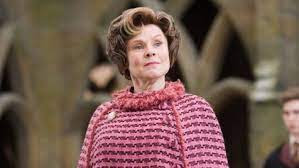
Delores Umbrage, of Harry Potter fame, may be interested to see where her surname was originally going.
Umbrage or resentment, once referred to the dappled shade offered by trees.
Uncanny or 'weird' started out as meaning 'malicious'.
Uncouth or 'boorish' was used to mean 'not known' in the thirteenth century.
Undertaker is today a funeral director, for most of English history it simply meant one who did something, a helper.
Unwieldly or 'awkward' started out describing someone 'feeble'.
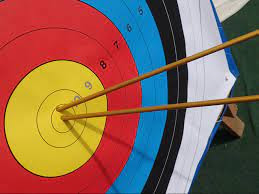
Upshot or 'consequence' began as a term referring to the final shot in an archery contest.
Showing posts with label trees. Show all posts
Sunday, 2 January 2022
Friday, 28 June 2019
Montenegro Place Names Explained
Having blogged samples of my books on English place names and also examined the etymologies of the nations of the world and their respective capitals I thought it time I cast my net a little wider. As English place names share some links to other tongues it would be interesting to see if any of the elements contributing to our place names could be found elsewhere. Continuing an alphabetical tour of the world and a look at the largest Montenegro cities.
Podgorica has a simple name describing the area. Here the 'region below Gorica', a hill name meaning 'little hill', refers to the small hills overlooking the city marked by cypress trees.
Herceg Novi is the Montenegrin version of the Italian Castelnuovo and the Greek Neokastron, all meaning 'the new castle'.
Bar is a shortened form of Antivari, itself owing to its location across the Adriatic from Bari in Italy, itself an Arabic personal name where Al-Bari means 'the creator'.
Cetinje takes its name from the River Cetina on which it stands. The river name is possibly from a Phrygian word zetna meaning 'carries' and a reference to the silt it moves.
Kotor can be traced back to its Greek beginnings when the city was known as Dekatera, from the Greek deka thira, meaning 'ten gates' and can only refer to the number of access points to the fortification.
Ulcinj has two possible origins. Some suggest this is from the Albanian ukas meaning 'wolf', however more likely is the Greek name of Colchinium or 'founded by settlers from Colchis'. This was the name given to an area of Georgia known to the inhabitants as Egris, Colchis coming from the Uratian Qulha and likely a proper noun.
Tivat is ultimately from the Greek Thiodhos or 'way of God'.
Note the spellings of the places are English as the piece is written in English.
Podgorica has a simple name describing the area. Here the 'region below Gorica', a hill name meaning 'little hill', refers to the small hills overlooking the city marked by cypress trees.
Herceg Novi is the Montenegrin version of the Italian Castelnuovo and the Greek Neokastron, all meaning 'the new castle'.
Bar is a shortened form of Antivari, itself owing to its location across the Adriatic from Bari in Italy, itself an Arabic personal name where Al-Bari means 'the creator'.
Cetinje takes its name from the River Cetina on which it stands. The river name is possibly from a Phrygian word zetna meaning 'carries' and a reference to the silt it moves.
Kotor can be traced back to its Greek beginnings when the city was known as Dekatera, from the Greek deka thira, meaning 'ten gates' and can only refer to the number of access points to the fortification.
Ulcinj has two possible origins. Some suggest this is from the Albanian ukas meaning 'wolf', however more likely is the Greek name of Colchinium or 'founded by settlers from Colchis'. This was the name given to an area of Georgia known to the inhabitants as Egris, Colchis coming from the Uratian Qulha and likely a proper noun.
Tivat is ultimately from the Greek Thiodhos or 'way of God'.
Note the spellings of the places are English as the piece is written in English.
Sunday, 16 June 2019
Mongolia Place Names Explained
Having blogged samples of my books on English place names and also examined the etymologies of the nations of the world and their respective capitals I thought it time I cast my net a little wider. As English place names share some links to other tongues it would be interesting to see if any of the elements contributing to our place names could be found elsewhere. Continuing an alphabetical tour of the world and a look at the largest Mongolian cities.
Ulaanbaatar translates as 'red hero' from the classical Mongolian Ulaganbagatur, although the majority wanted to call it Baatar Khot 'hero city', they folded to pressure from Turar Ryskulov, a Soviet activist of the Communist International. This name has only existed for under a century, prior to 1924 the name had been Niislei Khuree 'the capital camp' since 1911. Previously there had been several names, including Ikh Khuree 'great settlement', Bogdin Khuree 'great holy Khan's monastery', Da Khuree 'great settlement', and Urga 'palace'.
Erdenet may be the second most populous city in the country but still has less than 100,000 inhabitants in a place meaning 'with treasure' and a reference to this being home to one of the world's largest copper mines.
Darkhan was founded as a city as recently as 1961. Founded as a manufacturing site, it was given a most appropriate name meaning 'blacksmith'.
Choibalsan was named as such in 1941. It honours the communist leader Khorloogiin Choibalsan, who also commanded the Mongolian armed forces from the 1930s until his death in 1952. Perhaps something of his reputation can be seen when we see how he is sometimes referred to as 'the Stalin of Mongolia'.
Moron is the Mongolian word for 'river'. The settlement began as the Morongiin Khuree monastery on the banks of the Delgemoron River, literally 'wide river river'.
Bayankhongor has a name which translates as 'little darling'.
Olgii comes from the Mongolian for 'cradle'.
Arvaikheer is the Mongolian for 'barley steppe', as we learned at school the steppes are the temperate grasslands, notably lacking trees away from water sources, which dominate the easterly areas of the central Eurasian landmass.
Ulanngom is Mongolian for 'red valley'.
Baganuur means 'little lake' in Mongolian.
Tsetserleg translates as 'garden'.
Zuunmod is from the Mongolian for 'a hundred trees'.
Zamyn-Uud is from the Mongolian for 'road's gate', and is a transferred name from the former Dzamiin Uude settlement 63 miles northwest of here.
Note the spellings of the places are English as the piece is written in English.
Ulaanbaatar translates as 'red hero' from the classical Mongolian Ulaganbagatur, although the majority wanted to call it Baatar Khot 'hero city', they folded to pressure from Turar Ryskulov, a Soviet activist of the Communist International. This name has only existed for under a century, prior to 1924 the name had been Niislei Khuree 'the capital camp' since 1911. Previously there had been several names, including Ikh Khuree 'great settlement', Bogdin Khuree 'great holy Khan's monastery', Da Khuree 'great settlement', and Urga 'palace'.
Erdenet may be the second most populous city in the country but still has less than 100,000 inhabitants in a place meaning 'with treasure' and a reference to this being home to one of the world's largest copper mines.
Darkhan was founded as a city as recently as 1961. Founded as a manufacturing site, it was given a most appropriate name meaning 'blacksmith'.
Choibalsan was named as such in 1941. It honours the communist leader Khorloogiin Choibalsan, who also commanded the Mongolian armed forces from the 1930s until his death in 1952. Perhaps something of his reputation can be seen when we see how he is sometimes referred to as 'the Stalin of Mongolia'.
Moron is the Mongolian word for 'river'. The settlement began as the Morongiin Khuree monastery on the banks of the Delgemoron River, literally 'wide river river'.
Bayankhongor has a name which translates as 'little darling'.
Olgii comes from the Mongolian for 'cradle'.
Arvaikheer is the Mongolian for 'barley steppe', as we learned at school the steppes are the temperate grasslands, notably lacking trees away from water sources, which dominate the easterly areas of the central Eurasian landmass.
Ulanngom is Mongolian for 'red valley'.
Baganuur means 'little lake' in Mongolian.
Tsetserleg translates as 'garden'.
Zuunmod is from the Mongolian for 'a hundred trees'.
Zamyn-Uud is from the Mongolian for 'road's gate', and is a transferred name from the former Dzamiin Uude settlement 63 miles northwest of here.
Note the spellings of the places are English as the piece is written in English.
Monday, 12 November 2018
Jamaica Place Names Explained
Having blogged samples of my books on English place names and also examined the etymologies of the nations of the world and their respective capitals I thought it time I cast my net a little wider. As English place names share some links to other tongues it would be interesting to see if any of the elements contributing to our place names could be found elsewhere. Continuing an alphabetical tour of the world and a look at the largest Jamaican cities.
Kingston is a common enough English place name and refers to a tun or 'farmstead' held by the crown.
Montego Bay is of far more interesting origins. The explorer Christopher Columbus named the place in 1494 as Golfo de Buen Tiempo or 'fair weather gulf'. The modern name is suggested as being a corruption of the Spanish word manteca 'lard', so-named because this was where beef, leather and lard were exported from.
Spanish Town is simply named as it was founded as a home for Spaniards by Francisco de Garay in 1534, although it has been known by other names during its history.
Mandeville was named in 1816, taking the name of Viscount Mandeville, eldest son of the Duke of Manchester, the then governor of Jamaica.
Port Antonio was named in 1723 when officially created as a parish by the Duke of Portland, after whom it is named.
Ewarton is almost certainly named from a person named Ewart but there is no record of anyone with such a name.
Ocho Rios means 'eight rivers', but is probably a misnomer as there are not that many rivers in the area. It seems more likely to be a corruption of the Spanish name Las Chorreras 'the waterfalls'.
Falmouth took the name of the port in Cornwall. Falmouth stands, as the name suggests, at the mouth of the River Fal, itself of unknown origins.
Yallahs has two equally plausible suggestions for its origin. It may simply have come from Captain Yallahs, a privateer in the later 17th century, or from the Spanish yalos meaning 'frost', not that frost is seen here but the white cliffs visible from the sea do appear similar to having a coating of frost.
Runaway Bay was aptly named as an escape route for runaway slaves.
Spalding is named after the Lincolnshire town, itself derived from the name of the tribe who settled there, the Spaldingas.
Annotto Bay is named for the many annotto trees growing in the area. The tree has been introduced to much of the tropical regions of the Americas and is grown and used for products used in dyes, and it proves quite ornamental, too.
Porus is named after the porous soil found in the area, a very different origin to that of its earlier name of Vale Lionel, taken from the governor of Jamaica Sir Lionel Smith at its founding in 1840.
Lionel Town, founded in 1836, shares the name and origin of Sir Lionel Smith.
Negril is an abbreviation of the Spanish Negrillo or 'little black ones', named by the Spanish when they settled in 1494.
Oracabessa is from the Spanish Oracabeza or 'golden head', a reference to the natural light seen here in the afternoons.
Note the spellings of the places are English as the piece is written in English.
Kingston is a common enough English place name and refers to a tun or 'farmstead' held by the crown.
Montego Bay is of far more interesting origins. The explorer Christopher Columbus named the place in 1494 as Golfo de Buen Tiempo or 'fair weather gulf'. The modern name is suggested as being a corruption of the Spanish word manteca 'lard', so-named because this was where beef, leather and lard were exported from.
Spanish Town is simply named as it was founded as a home for Spaniards by Francisco de Garay in 1534, although it has been known by other names during its history.
Mandeville was named in 1816, taking the name of Viscount Mandeville, eldest son of the Duke of Manchester, the then governor of Jamaica.
Port Antonio was named in 1723 when officially created as a parish by the Duke of Portland, after whom it is named.
Ewarton is almost certainly named from a person named Ewart but there is no record of anyone with such a name.
Ocho Rios means 'eight rivers', but is probably a misnomer as there are not that many rivers in the area. It seems more likely to be a corruption of the Spanish name Las Chorreras 'the waterfalls'.
Falmouth took the name of the port in Cornwall. Falmouth stands, as the name suggests, at the mouth of the River Fal, itself of unknown origins.
Yallahs has two equally plausible suggestions for its origin. It may simply have come from Captain Yallahs, a privateer in the later 17th century, or from the Spanish yalos meaning 'frost', not that frost is seen here but the white cliffs visible from the sea do appear similar to having a coating of frost.
Runaway Bay was aptly named as an escape route for runaway slaves.
Spalding is named after the Lincolnshire town, itself derived from the name of the tribe who settled there, the Spaldingas.
Annotto Bay is named for the many annotto trees growing in the area. The tree has been introduced to much of the tropical regions of the Americas and is grown and used for products used in dyes, and it proves quite ornamental, too.
Porus is named after the porous soil found in the area, a very different origin to that of its earlier name of Vale Lionel, taken from the governor of Jamaica Sir Lionel Smith at its founding in 1840.
Lionel Town, founded in 1836, shares the name and origin of Sir Lionel Smith.
Negril is an abbreviation of the Spanish Negrillo or 'little black ones', named by the Spanish when they settled in 1494.
Oracabessa is from the Spanish Oracabeza or 'golden head', a reference to the natural light seen here in the afternoons.
Note the spellings of the places are English as the piece is written in English.
Subscribe to:
Posts (Atom)


