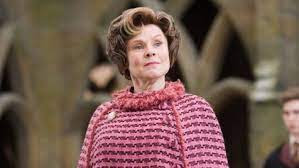
Delores Umbrage, of Harry Potter fame, may be interested to see where her surname was originally going.
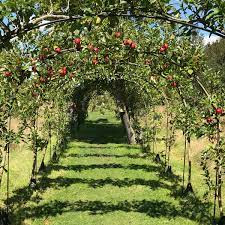
Umbrage or resentment, once referred to the dappled shade offered by trees.
Uncanny or 'weird' started out as meaning 'malicious'.
Uncouth or 'boorish' was used to mean 'not known' in the thirteenth century.
Undertaker is today a funeral director, for most of English history it simply meant one who did something, a helper.
Unwieldly or 'awkward' started out describing someone 'feeble'.
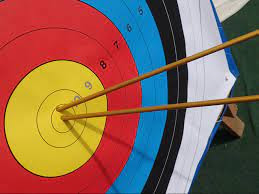
Upshot or 'consequence' began as a term referring to the final shot in an archery contest.
Sunday, 2 January 2022
Sunday, 26 December 2021
That's not what I meant (T)
Tact began in the much more literal sense of 'sense of touch', rather than 'thoughtfulness'.
Tall has only been used in the modern sense since the sixteenth century. It's original uses include 'brave', 'elegant' and 'handsome'.
Tamper or 'meddle' was first used to mean 'work in clay'.
Team, the group of people working together, was originally used to describe the young as in 'brood, litter'.
Temperament or 'mood', originally referred to body heat.
Terse or concise, was originally used to mean 'polished' or 'smoothed'.
Thews are 'muscles', but when first seen in English would be used to mean 'conduct, usage, custom'.
Thrift or economy, first meant simply 'thrive'.
Thrill is 'excite' today, but at first meant 'pierce'. I wouldn't want to be thrilled by a knife.
Tidy or 'neat' began in English as a synonym for 'plump'.
Tippler was not original one who drank the alcohol, but the one who served it.
Toil is to work today, especially to work hard or laboriously, originally it referred to an argument.
Toilet originally meant 'cloth', it coming from the French toile.
Tonic is today seen as a medicine which peps a person up. Originally? It referred to music.
Toy is a plaything today, but in the fourteenth century was the equivalent of 'flirting'.
Travel is to journey, originally it came from the French travailler 'to work'.
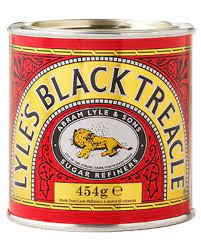
Treacle is a type of syrup, but in the fourteenth century was a salve or antidote.
Truncheon is a policeman's club today, originally it was a 'fragment' or something.
Tunnels today are routes underground, but originally they were long tubular nets narrowing at one end, used for catching birds.
Tyres are found covering wheels, thus we can see the origin as in the same root as 'attire' for that was what the word originally meant.
Tall has only been used in the modern sense since the sixteenth century. It's original uses include 'brave', 'elegant' and 'handsome'.
Tamper or 'meddle' was first used to mean 'work in clay'.
Team, the group of people working together, was originally used to describe the young as in 'brood, litter'.
Temperament or 'mood', originally referred to body heat.
Terse or concise, was originally used to mean 'polished' or 'smoothed'.
Thews are 'muscles', but when first seen in English would be used to mean 'conduct, usage, custom'.
Thrift or economy, first meant simply 'thrive'.
Thrill is 'excite' today, but at first meant 'pierce'. I wouldn't want to be thrilled by a knife.
Tidy or 'neat' began in English as a synonym for 'plump'.
Tippler was not original one who drank the alcohol, but the one who served it.
Toil is to work today, especially to work hard or laboriously, originally it referred to an argument.
Toilet originally meant 'cloth', it coming from the French toile.
Tonic is today seen as a medicine which peps a person up. Originally? It referred to music.
Toy is a plaything today, but in the fourteenth century was the equivalent of 'flirting'.
Travel is to journey, originally it came from the French travailler 'to work'.
Treacle is a type of syrup, but in the fourteenth century was a salve or antidote.
Truncheon is a policeman's club today, originally it was a 'fragment' or something.
Tunnels today are routes underground, but originally they were long tubular nets narrowing at one end, used for catching birds.
Tyres are found covering wheels, thus we can see the origin as in the same root as 'attire' for that was what the word originally meant.
Sunday, 19 December 2021
That's not what I meant (S)
I do wish 'snob' had the original meaning today.
Sake is today only ever used after 'for' as in for heaven's sake'. Originally the word was a synonym for 'strife, dispute' and even 'guilt'.
Satellites are always in space, be they artificial or natural, aren't they? No. In the sixteenth century they were attendants to a person of high rank.
Saturate or soaked to the most degree today, in the sixteenth century was to completely satisfy.
Saucers today hold cups, the original sense was a small dish to hold sauce - which makes much more sense.
Savage or 'fierce' first came to English from the Latin silva meaning 'wood, forest'.
Scale is rapidly replacing 'scales' when referring to the weighing instrument, but earlier referring to the pans used for weighing (hence the plural) and started out as a drinking bowl.
Scavengers collect things discarded by others, while the first scavengers were officers employed to collect tolls levied by a mayor of a town or sheriff of a county.
Schedule, or timetable, began in the fourteenth century as a ticket or memorandum.
Scold is to reprimand, while the thirteenth century version would have been a noun describing a woman who used foul or coarse language.
Score has taken on any number of meanings, including the original sense of 'twenty'.
Secretary is one who handles correspondence, but in the fourteenth century referred to confidantes - literally those who kept secrets.
Secure, today meaning 'safe, dependable', originally meant 'carefree'.
Seedy, used in the sense of 'off colour', in the sixteenth century it described something full of seeds, which seems to make more sense until you think about the same logic applied elsewhere, which would give us cows described as 'milky', humans described as 'bloody', and rivers as 'watery'.
Seminary is an educational establishment where priests are trained, but not until the nineteenth century. Originally it referred to a seed plot or bed.
Sequins were once sewn on by the wearer of the dress in the series Come Dancing (never did understand why that was relevant to the performance), although originally they were gold coins and would have made for a very heavy dress to dance in.
Shambles may be a scene of chaos today, but originally it was a meat market.
Shampoo washes hair today, but from the original Hindi it was a verb and meant 'to massage'. Hence the 'shampoo' was not the liquid used to wash with, but the action of massaging it in originally.
Sheer can mean 'thin, pure, precipitous' today. Originally? It meant 'shining'.
Shift is to 'move, alter', and began meant simply 'arrange'.
Show or 'to point out' was originally used to mean 'see, look out, examine'.
Shrewd or cunning, is first used in English to mean 'wicked, hurtful'.
Shroud today refers to a garment used in burials, originally all garments were shrouds.
Shunt is used mainly to refer to the movement on the railways, although the minor use of 'divert' is still current, but it began meaning 'shrink away'.
Silly meant 'happy, blessed' in the thirteenth century and has only had a negative sense since the seventeenth century.
Skirts are today worn from the waist down, originally they were worn from the shoulder and were more a 'shift' than a 'skirt'.
Sky today refers to the heavens, while the original Norse word referred to 'cloud' which, by definition, has to be in the atmosphere and not the heavens. Note the origin of 'cloud' didn't refer to 'clouds' but meant 'hills'.
Slipshod or 'careless', began describing someone wearing slippers - again this makes more sense.
Slug, those things loathed by gardeners, originally referred to what we would term 'sluggard', one seen as lazy.
Smoulder, or to burn without a flame, began in the fourteenth century as a synonym for 'smother'.
Smug or self-satisfied, was used in the sixteenth century to describe someone appearing neat and trimly attired.
Snack is a small repast, a light refreshment. You certainly wouldn't want one in the fifteenth century, for it was a dog bite.
Snob or superior, started out in English meaning a 'shoemaker or cobbler', and also used by Oxbridge students to refer to the townsmen.
Socket, mainly electrical but generally anything made to accept a mating part, began as simply a little sock - could have guessed that, perhaps.
Solicit, to request, had the original usage of 'disturb' or even 'manage'.
Soluble items dissolve in water, but in the fifteenth century anything soluble was a solution to constipation.
Specious originally meant 'beautiful, plausible' instead of the modern 'false'.
Spilling a liquid today is not desirable, but from the fourteenth century 'spill' was used to mean 'kill, destroy'.
Spire is the tall steeple of a church (usually), but in the original sense describes the stems of tall plants.
Spring was not a season originally, but another word for what we call Lent.
Suggestion may be a proposal today, but when it first came to English from the French in the seventeenth century it meant 'prompting evil'.
Supercede is a synonym for 'replace' today, but began meaning 'postpone'.
Surly has really changed about for rather than the modern 'ill-mannered', in the sixteenth century it described someone as 'lordly' even 'majestic'.
Sake is today only ever used after 'for' as in for heaven's sake'. Originally the word was a synonym for 'strife, dispute' and even 'guilt'.
Satellites are always in space, be they artificial or natural, aren't they? No. In the sixteenth century they were attendants to a person of high rank.
Saturate or soaked to the most degree today, in the sixteenth century was to completely satisfy.
Saucers today hold cups, the original sense was a small dish to hold sauce - which makes much more sense.
Savage or 'fierce' first came to English from the Latin silva meaning 'wood, forest'.
Scale is rapidly replacing 'scales' when referring to the weighing instrument, but earlier referring to the pans used for weighing (hence the plural) and started out as a drinking bowl.
Scavengers collect things discarded by others, while the first scavengers were officers employed to collect tolls levied by a mayor of a town or sheriff of a county.
Schedule, or timetable, began in the fourteenth century as a ticket or memorandum.
Scold is to reprimand, while the thirteenth century version would have been a noun describing a woman who used foul or coarse language.
Score has taken on any number of meanings, including the original sense of 'twenty'.
Secretary is one who handles correspondence, but in the fourteenth century referred to confidantes - literally those who kept secrets.
Secure, today meaning 'safe, dependable', originally meant 'carefree'.
Seedy, used in the sense of 'off colour', in the sixteenth century it described something full of seeds, which seems to make more sense until you think about the same logic applied elsewhere, which would give us cows described as 'milky', humans described as 'bloody', and rivers as 'watery'.
Seminary is an educational establishment where priests are trained, but not until the nineteenth century. Originally it referred to a seed plot or bed.
Sequins were once sewn on by the wearer of the dress in the series Come Dancing (never did understand why that was relevant to the performance), although originally they were gold coins and would have made for a very heavy dress to dance in.
Shambles may be a scene of chaos today, but originally it was a meat market.
Shampoo washes hair today, but from the original Hindi it was a verb and meant 'to massage'. Hence the 'shampoo' was not the liquid used to wash with, but the action of massaging it in originally.
Sheer can mean 'thin, pure, precipitous' today. Originally? It meant 'shining'.
Shift is to 'move, alter', and began meant simply 'arrange'.
Show or 'to point out' was originally used to mean 'see, look out, examine'.
Shrewd or cunning, is first used in English to mean 'wicked, hurtful'.
Shroud today refers to a garment used in burials, originally all garments were shrouds.
Shunt is used mainly to refer to the movement on the railways, although the minor use of 'divert' is still current, but it began meaning 'shrink away'.
Silly meant 'happy, blessed' in the thirteenth century and has only had a negative sense since the seventeenth century.
Skirts are today worn from the waist down, originally they were worn from the shoulder and were more a 'shift' than a 'skirt'.
Sky today refers to the heavens, while the original Norse word referred to 'cloud' which, by definition, has to be in the atmosphere and not the heavens. Note the origin of 'cloud' didn't refer to 'clouds' but meant 'hills'.
Slipshod or 'careless', began describing someone wearing slippers - again this makes more sense.
Slug, those things loathed by gardeners, originally referred to what we would term 'sluggard', one seen as lazy.
Smoulder, or to burn without a flame, began in the fourteenth century as a synonym for 'smother'.
Smug or self-satisfied, was used in the sixteenth century to describe someone appearing neat and trimly attired.
Snack is a small repast, a light refreshment. You certainly wouldn't want one in the fifteenth century, for it was a dog bite.
Snob or superior, started out in English meaning a 'shoemaker or cobbler', and also used by Oxbridge students to refer to the townsmen.
Socket, mainly electrical but generally anything made to accept a mating part, began as simply a little sock - could have guessed that, perhaps.
Solicit, to request, had the original usage of 'disturb' or even 'manage'.
Soluble items dissolve in water, but in the fifteenth century anything soluble was a solution to constipation.
Specious originally meant 'beautiful, plausible' instead of the modern 'false'.
Spilling a liquid today is not desirable, but from the fourteenth century 'spill' was used to mean 'kill, destroy'.
Spire is the tall steeple of a church (usually), but in the original sense describes the stems of tall plants.
Spring was not a season originally, but another word for what we call Lent.
Suggestion may be a proposal today, but when it first came to English from the French in the seventeenth century it meant 'prompting evil'.
Supercede is a synonym for 'replace' today, but began meaning 'postpone'.
Surly has really changed about for rather than the modern 'ill-mannered', in the sixteenth century it described someone as 'lordly' even 'majestic'.
Sunday, 12 December 2021
That's not what I meant (R)
Whilst reading this, contemplate how someone in Saxon England would never have been described as being unable to read, for 'read' had a quite different meaning.
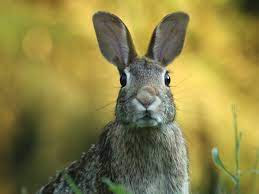
Rabbit, that long-eared lagomorph that isn't a hare, is a comparatively recent term for all rabbits. As recently as the eighteenth century it referred to the young only, the adults were known as 'coneys' (pronounced to rhyme with 'money').
Race was not always a reference to a contest of speed, for in the thirteenth century it simply described any forward movement.
Raid is a synonym for 'attack' and particularly a military action. In the fifteenth century it referred specifically to an attack by mounted cavalry.
Random has undergone a very big change in meaning, for while we use it today to mean 'arbitrary, haphazard', in the fourteenth century it described 'great speed'.
Rank in the modern sense of 'foul, offensive' had two different uses in the twelfth century, either meaning 'proud' or 'fully grown'.
Ransack is to search untidily today, but its original meaning in the thirteenth century was simply 'to seek', with no suggestion of anything criminal.
Rascal or 'rogue' first came to English in the fourteenth century as a mass noun describing 'a rabble, encampment'.
Read is something you're doing right this minute, but in the days of Saxon England it meant 'think' or 'guess'.
Recipe is a Latin word meaning 'take' which is how it was first used in English when giving instructions or directions. This was used not only in the kitchens of fourteenth century England, but also in what passed for operating theatres.
Reduce or 'diminish' today but, in fourteenth century England, the original Latin meaning of 'to lead back' was still used.
Refund or 'repay' today, but in the fourteenth century it specifically meant 'pour back'.
Regular or 'steadily to a plan' today, but originally was only used in a religious sense as the opposite of 'secular'.
Relent is a synonym for 'forgive' or 'more often 'less strict' in the modern dictionary, but in the fourteenth century it was used to mean 'melt' or 'dissolve'.
Repertory is today only used for a theatre company, they typically have one company producing different plays. Very different se in the sixteenth century, when the word could be used to mean 'index, list, storehouse'.
Reprieve is something a prisoner will hope to hear, for it delays or relaxes punishment. Sixteenth century prisoners would have dreaded hearing they were reprieved, as it then referred to them being sent back to prison.
Restive, as in 'fidgety, restless', is another with the original meaning being quite the opposite, for in the sixteenth century it described someone who couldn't bring themselves to move.
Reverie is probably best described today as 'a daydream, wistful', but when it first came to England in the fourteenth century, was used to describe wild delight, raucous celebrations - something rather different from the modern idea.
Ribald is to be coarse or lewd. In the sixteenth century it was a noun, a retainer of a minor nobleman who was a general dogsbody.
Romance, when it first came to English, referred to a tale of adventure told in verse form.
Rota, or 'list of duties', is from the Latin word rota meaning 'wheel' and was used as such from 1659 when the name of a London club. Not until the nineteenth century was 'rota' used to mean the same as 'roster'.
Rabbit, that long-eared lagomorph that isn't a hare, is a comparatively recent term for all rabbits. As recently as the eighteenth century it referred to the young only, the adults were known as 'coneys' (pronounced to rhyme with 'money').
Race was not always a reference to a contest of speed, for in the thirteenth century it simply described any forward movement.
Raid is a synonym for 'attack' and particularly a military action. In the fifteenth century it referred specifically to an attack by mounted cavalry.
Random has undergone a very big change in meaning, for while we use it today to mean 'arbitrary, haphazard', in the fourteenth century it described 'great speed'.
Rank in the modern sense of 'foul, offensive' had two different uses in the twelfth century, either meaning 'proud' or 'fully grown'.
Ransack is to search untidily today, but its original meaning in the thirteenth century was simply 'to seek', with no suggestion of anything criminal.
Rascal or 'rogue' first came to English in the fourteenth century as a mass noun describing 'a rabble, encampment'.
Read is something you're doing right this minute, but in the days of Saxon England it meant 'think' or 'guess'.
Recipe is a Latin word meaning 'take' which is how it was first used in English when giving instructions or directions. This was used not only in the kitchens of fourteenth century England, but also in what passed for operating theatres.
Reduce or 'diminish' today but, in fourteenth century England, the original Latin meaning of 'to lead back' was still used.
Refund or 'repay' today, but in the fourteenth century it specifically meant 'pour back'.
Regular or 'steadily to a plan' today, but originally was only used in a religious sense as the opposite of 'secular'.
Relent is a synonym for 'forgive' or 'more often 'less strict' in the modern dictionary, but in the fourteenth century it was used to mean 'melt' or 'dissolve'.
Repertory is today only used for a theatre company, they typically have one company producing different plays. Very different se in the sixteenth century, when the word could be used to mean 'index, list, storehouse'.
Reprieve is something a prisoner will hope to hear, for it delays or relaxes punishment. Sixteenth century prisoners would have dreaded hearing they were reprieved, as it then referred to them being sent back to prison.
Restive, as in 'fidgety, restless', is another with the original meaning being quite the opposite, for in the sixteenth century it described someone who couldn't bring themselves to move.
Reverie is probably best described today as 'a daydream, wistful', but when it first came to England in the fourteenth century, was used to describe wild delight, raucous celebrations - something rather different from the modern idea.
Ribald is to be coarse or lewd. In the sixteenth century it was a noun, a retainer of a minor nobleman who was a general dogsbody.
Romance, when it first came to English, referred to a tale of adventure told in verse form.
Rota, or 'list of duties', is from the Latin word rota meaning 'wheel' and was used as such from 1659 when the name of a London club. Not until the nineteenth century was 'rota' used to mean the same as 'roster'.
Sunday, 5 December 2021
That's not what I meant (Q)
I always enjoy a quiz, but I don't think I would have been as keen on the eighteenth-century descriptions.
Quaint is today used to refer to something out of the ordinary but visually acceptable. In the thirteenth century it was used to mean 'skilled' or 'elegant' or 'proud' and even 'fastidious'.
Queues are something the British are known to enjoy, except by the British, but when it first came to English from the French it meant 'tail'.
Quick is seen in Old English where it meant 'alive', unlike the modern 'rapid, speedy'.
Quilts are those covers which keep us warm but, when the term is first seen in the thirteenth century, it referred to something under the sleeper - in fact, what we would call a mattress.
Quite was first used in the fourteenth century to mean 'absolutely', as in "I'm quite alone". While that sense is still used today, it is also used to mean 'fairly, rather.'
Quiz is a knowledge test today, or perhaps as a verb can be used to mean 'cross-examine'. But as recently as the eighteenth century described 'an eccentric one' and even 'one who ridicules'.
Quaint is today used to refer to something out of the ordinary but visually acceptable. In the thirteenth century it was used to mean 'skilled' or 'elegant' or 'proud' and even 'fastidious'.
Queues are something the British are known to enjoy, except by the British, but when it first came to English from the French it meant 'tail'.
Quick is seen in Old English where it meant 'alive', unlike the modern 'rapid, speedy'.
Quilts are those covers which keep us warm but, when the term is first seen in the thirteenth century, it referred to something under the sleeper - in fact, what we would call a mattress.
Quite was first used in the fourteenth century to mean 'absolutely', as in "I'm quite alone". While that sense is still used today, it is also used to mean 'fairly, rather.'
Quiz is a knowledge test today, or perhaps as a verb can be used to mean 'cross-examine'. But as recently as the eighteenth century described 'an eccentric one' and even 'one who ridicules'.
Sunday, 28 November 2021
That's not what I meant (P)
Paraphernalia is not only one of my favourite words, it also ranks highly on my list of favourite etymologies.
Pamper today means 'to treat to excess', but in the sixteenth century was used to mean 'to cram with food'.
Pandemonium is from the Greek and translates as 'all devils', which doesn't seem to be linked to the current meaning of 'uproar, chaos' at all.
Pander is a verb meaning 'to accommodate for those less able', but originally referred to one who ran messages or arranged meetings between those involved in a secret love affair. I wonder if these panders also fed on bamboo?
Pane, as in pane of glass, is rather different from the original sense of 'piece of cloth or garment'.
Paraphernalia is an excellent word and describes the seemingly pointless items a person has amassed. In the seventeenth century it described those items which a wife would bring with her to the marriage but, unlike everything else the groom was given, these items were always the property of the wife and could never become her husband's or her family's.
Parks are nice places to relax, great areas of neatly mown lawns, flowers, even statues and perhaps water features. You wouldn't want to lounge around in a thirteenth century park, for it was an area designated for hunting.
Passengers today are carried on a vehicle, but this is only since the nineteenth century. Prior to that a passenger was simply one who was travelling, and most likely on foot.
Pasty, and who doesn't like a pasty? Well you wouldn't recognise a pasty prior to the nineteenth century, for this popular food item only contained one ingredient. Early pasties contained venison, later this was extended to fish, and only then did other meats find their way into pasties.
Pay is something we're hoping we don't have to do today, because it means parting with money. From its earliest use in the twelfth century, it was used to mean 'pacify' or even 'please'.
Penknife, today a small pocket knife, originally exactly what is says it was - a knife used to turn feathers into quills.
Peruse is to read today, but in the sixteenth century was used either to mean 'to use up' or 'to examine and revise'.
Petticoat is today an undergarment worn exclusively by females. French speakers will still see the original sense of 'little coat'.
Philander, is one who is seen as one of questionable morals today. Originating from the Greek, it came to English in its original sense of 'man lover'.
Pickets today are those who form a barrier to prevent strike breakers from entering their place of work. That is relevant, because the original sense, used from the seventeenth century, described a pointed stake.
Piety is a devotion to religious duty or belief today. But the word originated in English in the thirteenth century when it was used to mean 'pity'.
Pilgrim is another with religious connections today, but the original pilgrims were not necessarily on a religious trek, they were merely wanderers or travellers in general.
Piquant suggests a pleasant or tempting aroma or flavour. In the sixteenth century it could be used to mean 'piercing, cutting, severe, bitter' depending on the context.
Plaintive is used to mean 'mournful, melancholy' today, but began in English in the sense of 'complaining'.
Plasma is the colourless liquid part of the blood that carries the red and white corpuscles, but was once used to mean 'image, mould'.
Pluck as in 'courage' and also in to pluck feathers, was also used to refer to the removal of the internal organs of an animal - heart, lungs, liver, etc - which is why we speak of having 'the guts' when it comes to bravery.
Poison is something deadly today, but when it first came to English it was interchangeable with 'potion' and not used to refer to anything deadly.
Pole as in 'one from Poland', was used in the sixteenth century as the name of the country.
Police may refer to law and order today, but in the sixteenth century was used in the sense of 'policy'.
Polite is to be courteous in the present era, but from its earliest days in the sixteenth century was used to mean 'polish, burnished'.
Poll as in a voting sense, began in the seventeenth century meaning 'head'.
Pornography comes from the Greek and literally means 'writing on prostitutes' - and by this I mean writing about them, not inking their skin.
Portly is used today to mean 'stout', but up to the nineteenth century referred to one who was 'of dignified bearing'.
Preposterous or 'ridiculous' first came to English in the sixteenth century in the sense of 'putting the hindside in front' or more simply 'reverse'.
Prestige may refer to 'a higher standing' today, but in the seventeenth century was used to mean 'illusion, conjuring trick'.
Pretty is 'atteactive' today, but originally meant 'crafty, wily'.
Programme as in the sense 'a list of events' began in the seventeenth century meaning 'public notice'.
Promiscuous may have sexual links today, but originally simply described a group or number of people from mixed backgrounds, social standings, or cultures.
Proper, as in appropriate, came from the French propre and used to mean 'own' or 'belong to oneself' when it first came to English before the sixteenth century.
Pudding dates from the thirteenth century when, unlike the modern dessert, referred to something akin to the haggis.
Pug is today a breed of dog, but historically it has been many things. In the seventeenth century it was a demon or sprite; in the sixteenth century a bargeman; and in the sixteenth century was both a term of endearment and a term for a prostitute.
Punk, the youth movement of the latter 1970s and early 1980s, has had no less than six earlier meanings: in the early twentieth century it was a youngsterworking in the circus; in the late nineteenth century one who travelled with a tramp; in the late eighteenth century it was 'nonsense' or 'rubbish'; and in the sixteenth century a term for a prostitute.
Puny is a synonym of 'feeble' today, but in the original sixteenth century sense referred to one who was 'junior' to the speaker.
Purple is that colour which we all learned is a mix of blue and red. But in the fourteenth century referred to what we would call 'crimson'.
Pyjamas, for English speakers, refers to the two-piece night attire. But for the original Hindi word pajama it referred to the baggy silk or cotton trousers worn as a single garment. Indeed the Hindi pa 'leg' and jama 'garment' tells us exactly what it was named for.
Pamper today means 'to treat to excess', but in the sixteenth century was used to mean 'to cram with food'.
Pandemonium is from the Greek and translates as 'all devils', which doesn't seem to be linked to the current meaning of 'uproar, chaos' at all.
Pander is a verb meaning 'to accommodate for those less able', but originally referred to one who ran messages or arranged meetings between those involved in a secret love affair. I wonder if these panders also fed on bamboo?
Pane, as in pane of glass, is rather different from the original sense of 'piece of cloth or garment'.
Paraphernalia is an excellent word and describes the seemingly pointless items a person has amassed. In the seventeenth century it described those items which a wife would bring with her to the marriage but, unlike everything else the groom was given, these items were always the property of the wife and could never become her husband's or her family's.
Parks are nice places to relax, great areas of neatly mown lawns, flowers, even statues and perhaps water features. You wouldn't want to lounge around in a thirteenth century park, for it was an area designated for hunting.
Passengers today are carried on a vehicle, but this is only since the nineteenth century. Prior to that a passenger was simply one who was travelling, and most likely on foot.
Pasty, and who doesn't like a pasty? Well you wouldn't recognise a pasty prior to the nineteenth century, for this popular food item only contained one ingredient. Early pasties contained venison, later this was extended to fish, and only then did other meats find their way into pasties.
Pay is something we're hoping we don't have to do today, because it means parting with money. From its earliest use in the twelfth century, it was used to mean 'pacify' or even 'please'.
Penknife, today a small pocket knife, originally exactly what is says it was - a knife used to turn feathers into quills.
Peruse is to read today, but in the sixteenth century was used either to mean 'to use up' or 'to examine and revise'.
Petticoat is today an undergarment worn exclusively by females. French speakers will still see the original sense of 'little coat'.
Philander, is one who is seen as one of questionable morals today. Originating from the Greek, it came to English in its original sense of 'man lover'.
Pickets today are those who form a barrier to prevent strike breakers from entering their place of work. That is relevant, because the original sense, used from the seventeenth century, described a pointed stake.
Piety is a devotion to religious duty or belief today. But the word originated in English in the thirteenth century when it was used to mean 'pity'.
Pilgrim is another with religious connections today, but the original pilgrims were not necessarily on a religious trek, they were merely wanderers or travellers in general.
Piquant suggests a pleasant or tempting aroma or flavour. In the sixteenth century it could be used to mean 'piercing, cutting, severe, bitter' depending on the context.
Plaintive is used to mean 'mournful, melancholy' today, but began in English in the sense of 'complaining'.
Plasma is the colourless liquid part of the blood that carries the red and white corpuscles, but was once used to mean 'image, mould'.
Pluck as in 'courage' and also in to pluck feathers, was also used to refer to the removal of the internal organs of an animal - heart, lungs, liver, etc - which is why we speak of having 'the guts' when it comes to bravery.
Poison is something deadly today, but when it first came to English it was interchangeable with 'potion' and not used to refer to anything deadly.
Pole as in 'one from Poland', was used in the sixteenth century as the name of the country.
Police may refer to law and order today, but in the sixteenth century was used in the sense of 'policy'.
Polite is to be courteous in the present era, but from its earliest days in the sixteenth century was used to mean 'polish, burnished'.
Poll as in a voting sense, began in the seventeenth century meaning 'head'.
Pornography comes from the Greek and literally means 'writing on prostitutes' - and by this I mean writing about them, not inking their skin.
Portly is used today to mean 'stout', but up to the nineteenth century referred to one who was 'of dignified bearing'.
Preposterous or 'ridiculous' first came to English in the sixteenth century in the sense of 'putting the hindside in front' or more simply 'reverse'.
Prestige may refer to 'a higher standing' today, but in the seventeenth century was used to mean 'illusion, conjuring trick'.
Pretty is 'atteactive' today, but originally meant 'crafty, wily'.
Programme as in the sense 'a list of events' began in the seventeenth century meaning 'public notice'.
Promiscuous may have sexual links today, but originally simply described a group or number of people from mixed backgrounds, social standings, or cultures.
Proper, as in appropriate, came from the French propre and used to mean 'own' or 'belong to oneself' when it first came to English before the sixteenth century.
Pudding dates from the thirteenth century when, unlike the modern dessert, referred to something akin to the haggis.
Pug is today a breed of dog, but historically it has been many things. In the seventeenth century it was a demon or sprite; in the sixteenth century a bargeman; and in the sixteenth century was both a term of endearment and a term for a prostitute.
Punk, the youth movement of the latter 1970s and early 1980s, has had no less than six earlier meanings: in the early twentieth century it was a youngsterworking in the circus; in the late nineteenth century one who travelled with a tramp; in the late eighteenth century it was 'nonsense' or 'rubbish'; and in the sixteenth century a term for a prostitute.
Puny is a synonym of 'feeble' today, but in the original sixteenth century sense referred to one who was 'junior' to the speaker.
Purple is that colour which we all learned is a mix of blue and red. But in the fourteenth century referred to what we would call 'crimson'.
Pyjamas, for English speakers, refers to the two-piece night attire. But for the original Hindi word pajama it referred to the baggy silk or cotton trousers worn as a single garment. Indeed the Hindi pa 'leg' and jama 'garment' tells us exactly what it was named for.
Labels:
haggis,
pajamas,
pamper,
park,
passengers,
pole,
pornography,
prostitute,
pudding,
punk
Sunday, 21 November 2021
That's not what I meant (O)
Having spent many hours talking to those convinced their jobs are more important than anything, I wished we still used 'officious' in the original sense.
Occult came to English in the sixteenth century, but only since the eighteenth century has it been used to refer to the supernatural, prior to that it simply meant 'hidden, secret'.
Officious is an excellent word which today describes that irritating individual who thinks their job is the most important thing in the universe. Originally it was used to mean 'dutiful' or 'eager to please'. If only that were true today.
Orchards are areas where fruit trees grow, but from the fourteenth century it simply meant 'garden'.
Orientate is to adjust a position or bearing. Originally it meant simply 'to turn to face east', quite literally 'to the orient'.
Outings today are pleasant excursions, a trip out. In the fourteenth century it was used to mean 'expulsion', much as 'ousting' does today.
Owe is one of those weird words which has changed meaning completely. Today to 'owe' is to be in debt, yet in the fourteenth century it was used to mean 'own, possess'.
Occult came to English in the sixteenth century, but only since the eighteenth century has it been used to refer to the supernatural, prior to that it simply meant 'hidden, secret'.
Officious is an excellent word which today describes that irritating individual who thinks their job is the most important thing in the universe. Originally it was used to mean 'dutiful' or 'eager to please'. If only that were true today.
Orchards are areas where fruit trees grow, but from the fourteenth century it simply meant 'garden'.
Orientate is to adjust a position or bearing. Originally it meant simply 'to turn to face east', quite literally 'to the orient'.
Outings today are pleasant excursions, a trip out. In the fourteenth century it was used to mean 'expulsion', much as 'ousting' does today.
Owe is one of those weird words which has changed meaning completely. Today to 'owe' is to be in debt, yet in the fourteenth century it was used to mean 'own, possess'.
Subscribe to:
Posts (Atom)