Several words have become part of the language in being used in phrases. Last time we looked at ‘west’ and now look at ‘east’.
Middle East was coined in 1899, but then would have referred to British India, not the further west region it does today.
Northeasterly winds were first described in 1743, almost two centuries after the direction is first seen.
Southeasterlies have been known since 1797, the compass point recorded around two centuries earlier.
East End of London is known as such since 1846, the Eastenders were known as such shortly afterwards; while the program EastEnders appeared for the first time on 19th February 1985 and has managed to become increasingly depressing ever since.
East Indies, the region around India and southeast Asia, have been known as such since the 1590s.
The East India Company were founded on 31st December 1600.
Three names given because they were considered to be related to the east, the most obvious being ‘orient’. Not seen before 1738, it comes from the Old French orient meaning ‘east’.
Ostmark is a region of Germany once known as the German Democratic Republic – first coined in 1948.
A hot dusty wind blowing across the southern region of Italy originates from the region around Libya and is known as the sirocco, this from Arabic sharqi or ‘eastern wind’.
Showing posts with label east. Show all posts
Sunday, 4 May 2025
Sunday, 6 October 2024
Sun Idioms
Several words have become part of the language in being used in phrases. Last time we looked at ‘cloud’ and now look at ‘sun’.
Under the sun – as in anywhere in the world – is first seen as early as the late 12th century.
The sun never sets is a Spanish phrase quickly translated to English and both dating from around the 1630s.
Having one’s ‘place in the sun’ first appears in English in the translation of Pascal’s Pensees.
The ‘sun is over the foreyard’ (note not the yard arm) is first seen in the 17th century, it marking the time it is traditionally acceptable to have the first alcoholic drink of the day – roughly corresponds to noon.
While ‘basking in the sun’ is found from the middle of the 15th century ….
….. it took until 1821 for suntan to become a verb, and until 1888 as a noun.
Sun tan oil is not seen until 1934.
Sun dress is first recorded in 1937 in an advertisement, prior to that (since 1929) the term had been ‘sun back dress’.
Sundials are first seen in the 1590s – at least the term is – for the technology had been known for centuries. Prior to this they were simply referred to as ‘dials’.
Sun-drying of fruit and vegetables is not a new thing by any means, the term has been in use since the 1630s and the process for millennia.
Sun dance, the movement not the film character, has only been recorded since 1849 – undoubtedly dances to herald and praise the sun must have been around since before recorded history, but not referred to as sun dances.
Sun tanning may be a fairly modern phrase, but sun bathing has been around since 1866 in a cosmetic sense and since 1600 for therapeutic purposes.
Sun wake is the rays of the setting sun glinting on the water. Sailors would claim a narrow wake signaled good weather, with bad weather forecast by a broad wake.
Nobody wore a sun bonnet, that with a projection in front to protect the face and another to protect the neck, until 1837.
Think the sun lamp is a new invention? Nope, first named in 1885.
Sun worship, in the religious sense, is first used to describe such in 1670; but the phrase to refer to one who habitually sun bathes is not seen until 1941.
Sunburn has been described since 1520, at least in the modern sense, prior to that it referred to drying out (usually bricks) under the suns rays.
Sunset is seen from the late 14th century; for the Saxons the word was sunnansetlgong while sunset for them simply meant ‘the west’.
Sunrise is seen from the middle of the 15th century, prior to that it was used to mean ‘the east’.
Ride off into the sunset, the stereotypical ending for a Hollywood Western production, is unheard of before 1963.
Under the sun – as in anywhere in the world – is first seen as early as the late 12th century.
The sun never sets is a Spanish phrase quickly translated to English and both dating from around the 1630s.
Having one’s ‘place in the sun’ first appears in English in the translation of Pascal’s Pensees.
The ‘sun is over the foreyard’ (note not the yard arm) is first seen in the 17th century, it marking the time it is traditionally acceptable to have the first alcoholic drink of the day – roughly corresponds to noon.
While ‘basking in the sun’ is found from the middle of the 15th century ….
….. it took until 1821 for suntan to become a verb, and until 1888 as a noun.
Sun tan oil is not seen until 1934.
Sun dress is first recorded in 1937 in an advertisement, prior to that (since 1929) the term had been ‘sun back dress’.
Sundials are first seen in the 1590s – at least the term is – for the technology had been known for centuries. Prior to this they were simply referred to as ‘dials’.
Sun-drying of fruit and vegetables is not a new thing by any means, the term has been in use since the 1630s and the process for millennia.
Sun dance, the movement not the film character, has only been recorded since 1849 – undoubtedly dances to herald and praise the sun must have been around since before recorded history, but not referred to as sun dances.
Sun tanning may be a fairly modern phrase, but sun bathing has been around since 1866 in a cosmetic sense and since 1600 for therapeutic purposes.
Sun wake is the rays of the setting sun glinting on the water. Sailors would claim a narrow wake signaled good weather, with bad weather forecast by a broad wake.
Nobody wore a sun bonnet, that with a projection in front to protect the face and another to protect the neck, until 1837.
Think the sun lamp is a new invention? Nope, first named in 1885.
Sun worship, in the religious sense, is first used to describe such in 1670; but the phrase to refer to one who habitually sun bathes is not seen until 1941.
Sunburn has been described since 1520, at least in the modern sense, prior to that it referred to drying out (usually bricks) under the suns rays.
Sunset is seen from the late 14th century; for the Saxons the word was sunnansetlgong while sunset for them simply meant ‘the west’.
Sunrise is seen from the middle of the 15th century, prior to that it was used to mean ‘the east’.
Ride off into the sunset, the stereotypical ending for a Hollywood Western production, is unheard of before 1963.
Sunday, 21 November 2021
That's not what I meant (O)
Having spent many hours talking to those convinced their jobs are more important than anything, I wished we still used 'officious' in the original sense.
Occult came to English in the sixteenth century, but only since the eighteenth century has it been used to refer to the supernatural, prior to that it simply meant 'hidden, secret'.
Officious is an excellent word which today describes that irritating individual who thinks their job is the most important thing in the universe. Originally it was used to mean 'dutiful' or 'eager to please'. If only that were true today.
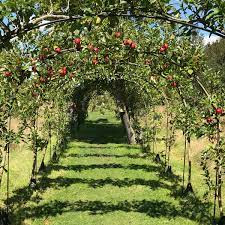
Orchards are areas where fruit trees grow, but from the fourteenth century it simply meant 'garden'.
Orientate is to adjust a position or bearing. Originally it meant simply 'to turn to face east', quite literally 'to the orient'.
Outings today are pleasant excursions, a trip out. In the fourteenth century it was used to mean 'expulsion', much as 'ousting' does today.
Owe is one of those weird words which has changed meaning completely. Today to 'owe' is to be in debt, yet in the fourteenth century it was used to mean 'own, possess'.
Occult came to English in the sixteenth century, but only since the eighteenth century has it been used to refer to the supernatural, prior to that it simply meant 'hidden, secret'.
Officious is an excellent word which today describes that irritating individual who thinks their job is the most important thing in the universe. Originally it was used to mean 'dutiful' or 'eager to please'. If only that were true today.
Orchards are areas where fruit trees grow, but from the fourteenth century it simply meant 'garden'.
Orientate is to adjust a position or bearing. Originally it meant simply 'to turn to face east', quite literally 'to the orient'.
Outings today are pleasant excursions, a trip out. In the fourteenth century it was used to mean 'expulsion', much as 'ousting' does today.
Owe is one of those weird words which has changed meaning completely. Today to 'owe' is to be in debt, yet in the fourteenth century it was used to mean 'own, possess'.
Sunday, 18 November 2018
Japan Place Names Explained
Having blogged samples of my books on English place names and also examined the etymologies of the nations of the world and their respective capitals I thought it time I cast my net a little wider. As English place names share some links to other tongues it would be interesting to see if any of the elements contributing to our place names could be found elsewhere. Continuing an alphabetical tour of the world and a look at the largest Japanese cities.
Tokyo has been known as such only since 1868, it translates as 'east capital'. As many crossword addicts will know it was previously known as Edo, itself aptly describing the location of a place beginning as a small fishing village for it means simply 'estuary'.
Yokohama has a long history and is another beginning as a fishing village. The sandbar gave it its name for it means 'horizontal beach'.
Osaka translates from the Japanese as either 'large hill' or 'large slope'.
Nagoya was written in two different ways but both read the same, the most likely interpretation is as 'peaceful'.
Kyoto, the former capital, has a name meaning 'capital'. After the capital was moved to Tokyo this place was known as Saikyo for a short time, a name meaning 'western capital'. To confuse matters still further, Kyoto is sometimes referred to as the thousand year capital.
Saitama comes from the district of Sakitama and can be interpreted as 'colourful promontory'.
Chiba is a name meaning 'thousand leaves', not particularly appropriate today but would certainly have been when named as such more than a thousand years ago,
Niigate is first recorded in 1520, it translates as 'new lagoon city'.
Shizuoka has been populated since prehistory and always known as 'the calm hills'.
Ota is the abbreviated form of Ota-ku, literally 'big rice field'.
Edogawa is simply 'the estuary river'.
Suginami is a part of Tokyo named for its 'cedars avenue'.
Itabishi translates as 'plank bridge', a wooden crossing of the Shakujii River dating from some 1,200 years ago. That the name has survived is testament to how striking the bridge would have been in its day.
Higashiosaka literally translates as 'east Osaka city',
Matsuyama translates as 'pine mountain'.
Koto translates as 'river east'.
Note the spellings of the places are English as the piece is written in English.
Tokyo has been known as such only since 1868, it translates as 'east capital'. As many crossword addicts will know it was previously known as Edo, itself aptly describing the location of a place beginning as a small fishing village for it means simply 'estuary'.
Yokohama has a long history and is another beginning as a fishing village. The sandbar gave it its name for it means 'horizontal beach'.
Osaka translates from the Japanese as either 'large hill' or 'large slope'.
Nagoya was written in two different ways but both read the same, the most likely interpretation is as 'peaceful'.
Kyoto, the former capital, has a name meaning 'capital'. After the capital was moved to Tokyo this place was known as Saikyo for a short time, a name meaning 'western capital'. To confuse matters still further, Kyoto is sometimes referred to as the thousand year capital.
Saitama comes from the district of Sakitama and can be interpreted as 'colourful promontory'.
Chiba is a name meaning 'thousand leaves', not particularly appropriate today but would certainly have been when named as such more than a thousand years ago,
Niigate is first recorded in 1520, it translates as 'new lagoon city'.
Shizuoka has been populated since prehistory and always known as 'the calm hills'.
Ota is the abbreviated form of Ota-ku, literally 'big rice field'.
Edogawa is simply 'the estuary river'.
Suginami is a part of Tokyo named for its 'cedars avenue'.
Itabishi translates as 'plank bridge', a wooden crossing of the Shakujii River dating from some 1,200 years ago. That the name has survived is testament to how striking the bridge would have been in its day.
Higashiosaka literally translates as 'east Osaka city',
Matsuyama translates as 'pine mountain'.
Koto translates as 'river east'.
Note the spellings of the places are English as the piece is written in English.
Subscribe to:
Posts (Atom)