Several words have become part of the language in being used in phrases. Last time we looked at ‘pink’ and now look at ‘white’.
White flag used to signal a truce, is first seen in the early 17th century. There must have been a time when both sides agreed this would signal a temporary ceasefire, for if only one side knew it could be disastrous for them.
White dwarf is an astronomical reference to a type of star and first recorded in 1924.
White witch, one who uses her power for good, is first recorded in 1620.
Nobody told a white lie until 1741.
White water, a reference to the turbulent waters over rapids, is first seen in the 1580s.
White collar workers were first described in 1911. Although white collar crime was not seen until 1957.
White elephant, something which proved expensive and nigh impossible to get rid of, is first seen in 1851. This was said to be because the King of Siam insisted on giving a present of a sacred albino elephant to any courtier who had fallen out of favour. Said courtier could not sell it nor dispose of it without incurring the wrath of the monarch, but would still have to pay for its upkeep.
White meat, chicken for example, is first seen in 1752.
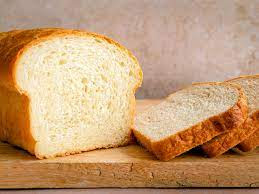
White bread was not described as such until the early 14th century – this simply because the flour used to make the bread was not white.
White feather, a symbol of cowardice, is first seen in 1785 – although then it referred to the blood sport of cock fighting, when the bird with no white feathers was considered to be braver.
White noise, the sound you get when a receiver is not tuned properly, is first described in 1970.
Nothing was white hot until 1820.
White out – when everywhere is blanketed in a cover of snow – is first recorded in 1946. In 1977 it was also used to describe correction fluid, until the preparatory name took over.
Egg white, that part of the egg which is colourless until cooked, must have been known since the earliest days when Homo sapiens walked the planet. Yet it was never referred to as egg white until as recently as 1881. As we all know it is also known as albumen, but for the vast majority the term ‘glair’ was used before egg white gained in popularity.
Showing posts with label bread. Show all posts
Sunday, 30 June 2024
Sunday, 21 January 2024
Bread Idioms
Several words have found themselves used in a number of phrases. We looked at 'work' last time and this time it's 'bread'.
Breadwinner is recorded as early as 1719, but the slang term ‘bread’ for money is not recorded before 1940. Clearly the latter comes from ‘breadwinner’, and a reference to bread being the staff of life. Note the Latin panis and French pain, both meaning ‘bread’, have a link to the English ‘pantry’ which was where bread was stored.
Bread an circuses, first seen in English in 1914, comes from the Latin where Duas tantum res anxius optal, Panem et circenes comments on how the ruling classes can keep the populace happy by providing them with food and entertainment.
Bread and butter, a phrase describing one’s most basic needs, is first seen in the 1620s.
Bread basket, aside from a basket to hold bread, is a slang term for the belly, first recorded in 1753. Slightly earlier, dating from around 1590, is another slang term for the belly in ‘pudding house’.
Monkey bread, which is not bread but fruit from the baobab tree, is first seen in a document dated 1789.
Breadwinner, the chief earner, is first seen in 1821.
Breadwinner is recorded as early as 1719, but the slang term ‘bread’ for money is not recorded before 1940. Clearly the latter comes from ‘breadwinner’, and a reference to bread being the staff of life. Note the Latin panis and French pain, both meaning ‘bread’, have a link to the English ‘pantry’ which was where bread was stored.
Bread an circuses, first seen in English in 1914, comes from the Latin where Duas tantum res anxius optal, Panem et circenes comments on how the ruling classes can keep the populace happy by providing them with food and entertainment.
Bread and butter, a phrase describing one’s most basic needs, is first seen in the 1620s.
Bread basket, aside from a basket to hold bread, is a slang term for the belly, first recorded in 1753. Slightly earlier, dating from around 1590, is another slang term for the belly in ‘pudding house’.
Monkey bread, which is not bread but fruit from the baobab tree, is first seen in a document dated 1789.
Breadwinner, the chief earner, is first seen in 1821.
Labels:
baobab,
basket,
bread,
breadcrumb,
breadwinner,
butter,
circus,
monkey,
pantry,
pudding
Saturday, 21 October 2023
Break Idioms
Several words have found themselves used in a number of phrases. We looked at 'money' last time and this time it's 'break'.
Break even, in a financial sense, has been known since 1914.
The straw that broke/breaks the camels back began as an English proverb "It is the last straw which breaks the camel's back" which sounds much better to me. First seen around 1755, by the time it had become fixed (around 1830s) the phrase had undergone many changes. Different forms in the late 18th and early 19th centuries saw the camel replaced by a horse or an elephant.
Break bread, a phrase meaning 'to share a meal with', is not recorded before the end of the 14th century.
Break dancing is not recorded in print before 1982, although the dance style was known in the late 70s in South Bronx.
Break one's heart - it seems nobody had their heart broken, at least in print, before the end of the 14th century.
Gaol (Jail) break has been used since at least 1735.
Breakneck, earlier not just associated with speed but anything deemed hazardous, is first recorded in the 1560s.
Breakwater, that structure which produces a safe harbour by holding back the worst of the waves, is first recorded in 1721.
Break wind, fart if you prefer - and I did hear it on the BBC's Blue Peter (the word that is, not the fart) making it most certainly acceptable - did not appear in print until around 1550. Did people break wind before 1550? Yes, they just didn't refer to it as such.
Break the ice is not known before 1600.
Break a leg, the traditional theatrical way to wish someone good luck, is a tradition which is only from 1948, although that reference does suggest it was used since the 1920s. There is also a German version, which translates as 'break your neck and leg'.
Break even, in a financial sense, has been known since 1914.
The straw that broke/breaks the camels back began as an English proverb "It is the last straw which breaks the camel's back" which sounds much better to me. First seen around 1755, by the time it had become fixed (around 1830s) the phrase had undergone many changes. Different forms in the late 18th and early 19th centuries saw the camel replaced by a horse or an elephant.
Break bread, a phrase meaning 'to share a meal with', is not recorded before the end of the 14th century.
Break dancing is not recorded in print before 1982, although the dance style was known in the late 70s in South Bronx.
Break one's heart - it seems nobody had their heart broken, at least in print, before the end of the 14th century.
Gaol (Jail) break has been used since at least 1735.
Breakneck, earlier not just associated with speed but anything deemed hazardous, is first recorded in the 1560s.
Breakwater, that structure which produces a safe harbour by holding back the worst of the waves, is first recorded in 1721.
Break wind, fart if you prefer - and I did hear it on the BBC's Blue Peter (the word that is, not the fart) making it most certainly acceptable - did not appear in print until around 1550. Did people break wind before 1550? Yes, they just didn't refer to it as such.
Break the ice is not known before 1600.
Break a leg, the traditional theatrical way to wish someone good luck, is a tradition which is only from 1948, although that reference does suggest it was used since the 1920s. There is also a German version, which translates as 'break your neck and leg'.
Sunday, 31 October 2021
That was not what I meant. (L)
With the original definition of 'lord' I might not want the title. I only said 'might', note.
Large today is the opposite of 'small', but when it first came to English in the twelfth century it was used more in the sense of 'liberal' or 'generous'.
Larva, that's the young of an insect, is the Latin word for a 'ghost, spectre'.
Ledger today suggests an accounts book, historically it was a book which remained in one place.
Legend may suggest a glorious tale or myth today, but its earliest use was specifically the story of a saint's life.
Lewd today is anything coarse of crude, but when first used in the sixteenth century meant anything but, for the sixteenth century usage would suggest 'lay' in the sense of 'not clerical'
Liaison means 'cooperation, communication', but came to English in the seventeenth century to refer to the thickening of sauces (especially using egg yolks) in cooking.
List is a column of items or notes today, but originally referred to the 'border, strip' on the page.
Literature is surely nothing other than the written word, but in the fourteenth century it was used in a much more general sense to mean 'learning, knowledge'.
Litter has two meanings today - multiple births for an animal, or rubbish - but historically it came from Old French and meant 'bed'.
Loaf today refers to the whole baked lump of bread, but historically was used as a synonym for 'bread'.
Loan has to be given back today, it's what the word means. But before the fifteenth century it referred to a gift, particularly one from a person of superior standing or a gift seen as coming from God.
Locket may be a small container worn as an item of jewellery today, but when it first came to English it referred to an iron bar across a window - designed, quite literally, to 'lock it'.
Lollipop is specifically a sweet on a stick, but before the eighteenth century it referred to any sweets.
Lord, as in the rank and not the deity, may be a member of the nobility today, but when first used in English described a hlafweard which literally means 'loaf ward' or 'keeper of the bread'.
Lot, as in a large amount or many, came to English meaning 'portion' as is still used in words such as 'allotted'.
Lucid is a synonym of 'clear, plain', but when it came to English from French in th sixteenth century, it meant 'shining'.
Large today is the opposite of 'small', but when it first came to English in the twelfth century it was used more in the sense of 'liberal' or 'generous'.
Larva, that's the young of an insect, is the Latin word for a 'ghost, spectre'.
Ledger today suggests an accounts book, historically it was a book which remained in one place.
Legend may suggest a glorious tale or myth today, but its earliest use was specifically the story of a saint's life.
Lewd today is anything coarse of crude, but when first used in the sixteenth century meant anything but, for the sixteenth century usage would suggest 'lay' in the sense of 'not clerical'
Liaison means 'cooperation, communication', but came to English in the seventeenth century to refer to the thickening of sauces (especially using egg yolks) in cooking.
List is a column of items or notes today, but originally referred to the 'border, strip' on the page.
Literature is surely nothing other than the written word, but in the fourteenth century it was used in a much more general sense to mean 'learning, knowledge'.
Litter has two meanings today - multiple births for an animal, or rubbish - but historically it came from Old French and meant 'bed'.
Loaf today refers to the whole baked lump of bread, but historically was used as a synonym for 'bread'.
Loan has to be given back today, it's what the word means. But before the fifteenth century it referred to a gift, particularly one from a person of superior standing or a gift seen as coming from God.
Locket may be a small container worn as an item of jewellery today, but when it first came to English it referred to an iron bar across a window - designed, quite literally, to 'lock it'.
Lollipop is specifically a sweet on a stick, but before the eighteenth century it referred to any sweets.
Lord, as in the rank and not the deity, may be a member of the nobility today, but when first used in English described a hlafweard which literally means 'loaf ward' or 'keeper of the bread'.
Lot, as in a large amount or many, came to English meaning 'portion' as is still used in words such as 'allotted'.
Lucid is a synonym of 'clear, plain', but when it came to English from French in th sixteenth century, it meant 'shining'.
Sunday, 23 August 2020
Uzbekistan Place Names Explained
Having blogged samples of my books on English place names and also examined the etymologies of the nations of the world and their respective capitals I thought it time I cast my net a little wider. As English place names share some links to other tongues it would be interesting to see if any of the elements contributing to our place names could be found elsewhere. Continuing an alphabetical tour of the world and a look at the largest Uzbekistan cities.
Tashkent is thought to mean either 'stone tower' or 'stone city', a tower said to mark the midpoint between Europe and China.
Lake Charvak comes from the Persian char bagh meaning 'four gardens'
Samarkand comes from the Sogdian samar kand 'stone fort / town'.
Namangan comes from Persian namak kan 'a salt mine'.
Nukus comes from an old tribal name of the Karakalpaks.
Bukhara is thought to come from the Sogdian buxarak meaning 'place of good fortune'.
Qarshi means simply 'fort'.
Margilan is said to have been named by Alexander the great and named when he was given lunch of chicken murgh and bread nan.
Note the spellings of the places are English as the piece is written in English.
Tashkent is thought to mean either 'stone tower' or 'stone city', a tower said to mark the midpoint between Europe and China.
Lake Charvak comes from the Persian char bagh meaning 'four gardens'
Samarkand comes from the Sogdian samar kand 'stone fort / town'.
Namangan comes from Persian namak kan 'a salt mine'.
Nukus comes from an old tribal name of the Karakalpaks.
Bukhara is thought to come from the Sogdian buxarak meaning 'place of good fortune'.
Qarshi means simply 'fort'.
Margilan is said to have been named by Alexander the great and named when he was given lunch of chicken murgh and bread nan.
Note the spellings of the places are English as the piece is written in English.
Sunday, 30 April 2017
Car Manufacturers
A look at the origins of the names of a selection of the world's car manufacturers, past and present. Note, when anyone says 'a selection' they mean 'all those I know' - I simply admit it.
Alfa Romeo - taking the second part first, this remembers August 1915 when the company came under the control of entrepreneur Nicola Romeo, he turning the factory over to making military hardware. Note the name change did not happen until 1920, prior to that the company was still known as A.L.F.A. - Anomina Lombarda Fabbrica Automobil 'the Anonymous Lombard Automobile Factory'. It began in 1906 as Societa Anomina Italiana Darracq (S.A.I.D), not until 1910 when Giuseppe Merosi took over as designer did A.L.F.A exist.
Aston Martin - as with so many it was named after the founders, in this case Lionel Walker Birch Maritn and Robert Bamford. Martin began as a first name, itself derived from the Roman Mars, the god of fertility and war (seemingly a conflict of career options); while Bamford is an English place name(of which I know a little bit) meaning 'the ford crossed by beams', the beam being a large enough piece of tree to be used as a bridge.
Audi - is also named after the founder, one August Horch. The German horch means 'listen' and, when translated to Latin, means 'listen'.
Austin - another named after its founder, this time Herbert Austin. While this is thought of as a British company, there were two others: the Austin Automobile Company and the American Austin Car Company. Both were US concerns - the Austin Automobile Company founded by James E. Austin and his son Walter Austin existed from 1901 to 1921; the American Austin Car Company was founded in 1929 and ceased trading in 1956, and named after the British company or, more correctly, their Austin 7 for which they had rights to manufacture and sell a modified version suitable for the USA. As a surname it is a diminutive of the Latin 'Augustus' meaning 'majestic, dignified'.
Bentley - founded and named in 1919 by Walter Owen Bentley. AnotherEnglish place name , and one meaning 'the woodland clearing where bent grass grows. If you want to know why grass grows this way, you'll have to buy a book!
Bertone - an Italian company founded and named after designer Giovanni Bertone. His surname means 'son of Roberto'.
Bitter - a German, and later Austrian, car manufacturer and named after former racing driver Erich Bitter. His surname means 'harsh, sour, embittered'.
Bugatti - named after founder Ettore Bugatti. Origins of this surname are unclear, but it would be nice to think the suggestion this comes from the same origin as Bogat and Buratto meaning 'bolting'.
Buick - also named after its founder, David Dunbar Buick. This is an alternative spelling of the English name Bewick, itself anEnglish place name and likely means 'the farmstead specialising in barley'.
Cadillac - again named after the founder, one Antoine Laumet de la Mothe sieur de Cadillac, the surname originating in the Breton area of France describes a 'a small one but a strong fighter'.
Chevrolet - named after the founder Louis Chevrolet. This name is a diminutive of the French chevre meaning 'goat'.
Chrysler - again the founder, named after Walter Percy Chrysler. This is a Swiss surname and means 'maker of earthernware utensils' - ostensibly a potter.
Citroen - founder here was Andre-Gustave Citroen. The surname was adopted by his father Levie Citroen, after grandfather had taken the name Limoenman 'lime man' as he was a greengrocer who sold tropical fruit. Son Levie preferred citroen, the Dutch for 'lemon'.
Cowley - named after the place in Oxfordshire where the cars were made, theEnglish place name means 'the woodland clearing where cows are reared'.
Daimler - after Gottlieb Daimler, this is an old southern German word meaning 'cheat, swindler'.
Dodge - named after founders John Francis Dodge and Horace Elgin Dodge, brothers whose surname is thought to be a pet form of 'Roger', itself from the Saxon Hrothgar or 'fame spear'.
Ferrari - named after founder Enzo Ferrari, a former motor racing driver whose surname originates in his ancestors' trade - they were blacksmiths.
Fiat - named after Mr Fiat, no I lie - many will already be aware this acronym stands for Fabbrica Italiana Automobil Torino or 'Italian Automobiles Factory, Turin'.
Ford - after founder Henry Ford, whose surname is as synonymous with cars as the origin is to a river crossing. This comes from Proto-Indo-European prtu meaning 'a going, a passage'.
Hillman - founder William Hillman, not only anEnglish place name but also an occupational name meaning 'a manservant' and a personal name 'a man named Hild'.
Honda - founder Soichiro Honda, whose surname comes from the Japanese hon ta quite literally meaning 'the origin of the field'.
Humber - founded by Thomas Humber, anEnglish place name or correctly a river name meaning ''the dark river'.
Hyundai - not from the founder but a Korean word meaning 'modernity'.
Isuzu - takes the name of the Isuzu River which, when translated into English means 'fifty bells'.
Jaguar - began as the name of a model of a 3.1/2-litre two-seater sports model produced by S.S.Cars Limited, themselves formerly known as the Swallow Sidecar Company. In 1945 shareholders decided that S.S was not the most sensible name for a company and so they adopted the name of Jaguar instead. It was the powerful image of the leaping big cat which adorned the model of that name, later adopted as the image of Jaguar Cars. The cat's name came to Europe as the Portuguese jaguar, itself their rendering of the Tupi jaguara and used to refer to any large predator.
Lada - having any number of references - including settlements in Romania, Poland, and Spain, a rifle, an asteroid, a highland region on the planet Venus, two Russian sports teams, a class of submarine, and even a sewing machine - these should have a single source, almost certainly the Slavic goddess of harmony, merriment, youth, love and beauty whose name comes from the Proto-Slavic meaning 'pretty, nice' or 'order'.
Lagonda - is named after the Shawnee name for what is now known as Buck Creek in modern-day Springfield, Ohio the birthplace of forder Wilbur Gunn. It is thought lagonda should be loosely translated to 'ultimate luxury'.
Lamborghini - from its founder Ferrucio Lamborghini which is one of many variations on the surname Lambo or 'son of Lambert', which comes from landa 'realm,estate' and berhta 'famous, illustrious'.
Lancia - named after its founder Vincenzo Lanzia, whose surname comes from his ancestors being armourers or, more specifically, a soldier who carried a lance from the Latinlancea.
Leyland - is anEnglish place name meaning 'untilled land'.
Lincoln - named by founders Henry Leland and his son Wilfred Leland after Abraham Lincoln who, aside from his more famous roles in laying railways, chasing vampires and guest appearances in the majority of science fiction television programmes of the sixties, also found time to become president of the United States of America. His surname comes from theEnglish place name meaning 'the Roman colony by the pool'.
Lotus - is a brand name, one also used for a board game, a bakery, a watch, rice, software, a chain of supermarkets, and a brand of toilet paper. Many were likely suggested by Greek mythology, although there are so many plants known as the 'lotus' (and bearing little resemblance to one another) it is difficult to know just what the name describes the plant as. The plant genus lotus comes from lota, the name of a sphrical water vessel used in southern regions of Asia.
Maserati - founded by brothers Alfieri, Bindo, Carlo and Ettore Maserati (it seems they couldn't think of one beginning with 'D'), their surname origins are unclear. However one suggested translated likens it to the English 'macerate', a word I have no recollection of hearing and thus looked in the good old Oxford English Dictionary to find it has two possible meanings: 'to waste away by fasting' (fast = speed, I can see that); and 'to become soft by soaking' (I shall refrain from commenting).
Mazda - for years my first thought when hearing 'Mazda' was a light bulb, but you do have to be of a certain age to recall that name. The car company state their name comes from Ahura Mazda, with ahura the word for 'god' and mazda meaning 'light' - so the light bulb was right.
Mercedes - founded by Austrian diplomat Emil Jellinek, he named the company after his daughter Mercedes Adrienne Ramona Manuela Jellinek, who lived a rathersorry life . Her name comes from the Spanish title of the Virgin Mary, Maria de las Mercedes, or 'Mary of the Mercies'.
Morgan - named after the company's founder Henry Frank Stanley Morgan, his surname a first name with an uncertain etymology. What is known is the Welsh for water sprites is 'morgans'.
Morris - named after founder and former bicyle manufacturer William Morris, a surname from the first name Maurice, itself from the Roman Mauritius a derivative of Maurus meaning 'a Moor'.
Nissan - is an abbreviation of the Nihon Sanhyo holding company, it means 'Japan Industries'.
Oldmobile - have always thought this the worst possible name for a car manufacturer, even though it is named after the founder Ransom Eli Olds whose surname comes from the Old English eald meaning 'old'.
Opel - named after founder Adam Opel, the origin of his surname is unknown.
Packard - named after founding brothers James Ward Packard and William Doud Packard, their surname comes from a French derogatory term for a 'peddler'.
Peugeot - founded by Armand Peugeot, sadly the origins of the surname is unknown.
Pontiac - takes the name of the Michigan city named after the war chief of the Ottawa people and whose name comes from the Algonquian Obwandiag thought to have three possible meanings 'stopping it/him' or 'a stick planted in the ground' and even 'spit roasted, boiled'.
Porsche - the surname has Slavic origins and means 'famous fighter'.
Reliant - is an odd name for a car because while it was clearly chosen for being 'reliable' the word actually means 'dependent upon' and not 'depend on'. Originating from Old French the word first came to English to mean 'binding' from the Latin religare and shares a common root with 'ligament'.
Renault - founders Louis Renault, Marcel Renault, and Fernand Renault share a name derived from Germanic sources and meaning 'counsel, rule'.
Rolls Royce - taking the names of founders Charles Rolls and Henry Royce, their respective surnames respectively come from: Germanic name Hrolf meaning 'wolf'; and ultimately a variant of 'rose' which, because of its thorns, means 'wicked'.
Rover - clearly suggesting something that 'roves, travels', the real meaning is 'to wander with no fixed destination' and used in its earliest sense to refer to arrows shot willy-nilly without a target. Furthermore the first use of 'rover' is as a Dutch word meaning 'plunderer', robber, predator' and even 'pirate'. Interestingly the names for 'bicycle' in Polish and Belarusian are derived from the company name, the company did once produce bicycles.
Saab - is an abbreviation of Svenska Aeroplan AB, where 'Sweish Areoplane' is followed by (much as Limited is abbreaviated to Ltd) AB or Aktiebolag meaning 'limited company' or 'corporation'.
Studebaker - a German name, the family arriving in the New World at Port Philadelphia on 1 September 1736 included Peter, Clement, Henry, Anna and Anna Studebecker. They set up business in Pennsylvania producing waggons but having tweaked their name to Studebaker - both meaning 'baker of fine white bread'.
Suzuki - named after founder Michio Suzuki, whose surname means 'bell wood', 'bell tree' or 'bud tree'.
Talbot - named after Charles Chetwyn Talbot who, after a successful business operating hansom cabs (and cabs with the first noiseless tyres seen in either London or Paris!), went on to produce motor cars. His surname is thought to be of Germanic origin, where tal 'destroy' and bod 'message' talk of him as a 'messenger of destruction'.
Toyota - named after founder Kilchiro Toyoda whose surname means 'fruitful rice paddy'.
Vauxhall - named from theEnglish place name meaning 'hall of a man called Falkes' the perosnal name meaning 'falcon'.
Volkswagen - is, as virtually everyone knows, the German for 'people's car'.
Volvo - is the Latin for 'I roll', a refers to the (then) unique ball bearings used in manufacturing. The idea it is derived from a part of the female anatomy is about as credible as it being named after the character Volvo in the episode of Fireball XL5 entitled Planet of Platonia.
Hence car buyers may well be correct when describing their purchase as a 'lemon, cow, goat' or describing the seller as a 'daimler' I mean 'cheat'. The piece is written in English hence the English spellings.
Alfa Romeo - taking the second part first, this remembers August 1915 when the company came under the control of entrepreneur Nicola Romeo, he turning the factory over to making military hardware. Note the name change did not happen until 1920, prior to that the company was still known as A.L.F.A. - Anomina Lombarda Fabbrica Automobil 'the Anonymous Lombard Automobile Factory'. It began in 1906 as Societa Anomina Italiana Darracq (S.A.I.D), not until 1910 when Giuseppe Merosi took over as designer did A.L.F.A exist.
Aston Martin - as with so many it was named after the founders, in this case Lionel Walker Birch Maritn and Robert Bamford. Martin began as a first name, itself derived from the Roman Mars, the god of fertility and war (seemingly a conflict of career options); while Bamford is an English place name
Audi - is also named after the founder, one August Horch. The German horch means 'listen' and, when translated to Latin, means 'listen'.
Austin - another named after its founder, this time Herbert Austin. While this is thought of as a British company, there were two others: the Austin Automobile Company and the American Austin Car Company. Both were US concerns - the Austin Automobile Company founded by James E. Austin and his son Walter Austin existed from 1901 to 1921; the American Austin Car Company was founded in 1929 and ceased trading in 1956, and named after the British company or, more correctly, their Austin 7 for which they had rights to manufacture and sell a modified version suitable for the USA. As a surname it is a diminutive of the Latin 'Augustus' meaning 'majestic, dignified'.
Bentley - founded and named in 1919 by Walter Owen Bentley. Another
Bertone - an Italian company founded and named after designer Giovanni Bertone. His surname means 'son of Roberto'.
Bitter - a German, and later Austrian, car manufacturer and named after former racing driver Erich Bitter. His surname means 'harsh, sour, embittered'.
Bugatti - named after founder Ettore Bugatti. Origins of this surname are unclear, but it would be nice to think the suggestion this comes from the same origin as Bogat and Buratto meaning 'bolting'.
Buick - also named after its founder, David Dunbar Buick. This is an alternative spelling of the English name Bewick, itself an
Cadillac - again named after the founder, one Antoine Laumet de la Mothe sieur de Cadillac, the surname originating in the Breton area of France describes a 'a small one but a strong fighter'.
Chevrolet - named after the founder Louis Chevrolet. This name is a diminutive of the French chevre meaning 'goat'.
Chrysler - again the founder, named after Walter Percy Chrysler. This is a Swiss surname and means 'maker of earthernware utensils' - ostensibly a potter.
Citroen - founder here was Andre-Gustave Citroen. The surname was adopted by his father Levie Citroen, after grandfather had taken the name Limoenman 'lime man' as he was a greengrocer who sold tropical fruit. Son Levie preferred citroen, the Dutch for 'lemon'.
Cowley - named after the place in Oxfordshire where the cars were made, the
Daimler - after Gottlieb Daimler, this is an old southern German word meaning 'cheat, swindler'.
Dodge - named after founders John Francis Dodge and Horace Elgin Dodge, brothers whose surname is thought to be a pet form of 'Roger', itself from the Saxon Hrothgar or 'fame spear'.
Ferrari - named after founder Enzo Ferrari, a former motor racing driver whose surname originates in his ancestors' trade - they were blacksmiths.
Fiat - named after Mr Fiat, no I lie - many will already be aware this acronym stands for Fabbrica Italiana Automobil Torino or 'Italian Automobiles Factory, Turin'.
Ford - after founder Henry Ford, whose surname is as synonymous with cars as the origin is to a river crossing. This comes from Proto-Indo-European prtu meaning 'a going, a passage'.
Hillman - founder William Hillman, not only an
Honda - founder Soichiro Honda, whose surname comes from the Japanese hon ta quite literally meaning 'the origin of the field'.
Humber - founded by Thomas Humber, an
Hyundai - not from the founder but a Korean word meaning 'modernity'.
Isuzu - takes the name of the Isuzu River which, when translated into English means 'fifty bells'.
Jaguar - began as the name of a model of a 3.1/2-litre two-seater sports model produced by S.S.Cars Limited, themselves formerly known as the Swallow Sidecar Company. In 1945 shareholders decided that S.S was not the most sensible name for a company and so they adopted the name of Jaguar instead. It was the powerful image of the leaping big cat which adorned the model of that name, later adopted as the image of Jaguar Cars. The cat's name came to Europe as the Portuguese jaguar, itself their rendering of the Tupi jaguara and used to refer to any large predator.
Lada - having any number of references - including settlements in Romania, Poland, and Spain, a rifle, an asteroid, a highland region on the planet Venus, two Russian sports teams, a class of submarine, and even a sewing machine - these should have a single source, almost certainly the Slavic goddess of harmony, merriment, youth, love and beauty whose name comes from the Proto-Slavic meaning 'pretty, nice' or 'order'.
Lagonda - is named after the Shawnee name for what is now known as Buck Creek in modern-day Springfield, Ohio the birthplace of forder Wilbur Gunn. It is thought lagonda should be loosely translated to 'ultimate luxury'.
Lamborghini - from its founder Ferrucio Lamborghini which is one of many variations on the surname Lambo or 'son of Lambert', which comes from landa 'realm,estate' and berhta 'famous, illustrious'.
Lancia - named after its founder Vincenzo Lanzia, whose surname comes from his ancestors being armourers or, more specifically, a soldier who carried a lance from the Latinlancea.
Leyland - is an
Lincoln - named by founders Henry Leland and his son Wilfred Leland after Abraham Lincoln who, aside from his more famous roles in laying railways, chasing vampires and guest appearances in the majority of science fiction television programmes of the sixties, also found time to become president of the United States of America. His surname comes from the
Lotus - is a brand name, one also used for a board game, a bakery, a watch, rice, software, a chain of supermarkets, and a brand of toilet paper. Many were likely suggested by Greek mythology, although there are so many plants known as the 'lotus' (and bearing little resemblance to one another) it is difficult to know just what the name describes the plant as. The plant genus lotus comes from lota, the name of a sphrical water vessel used in southern regions of Asia.
Maserati - founded by brothers Alfieri, Bindo, Carlo and Ettore Maserati (it seems they couldn't think of one beginning with 'D'), their surname origins are unclear. However one suggested translated likens it to the English 'macerate', a word I have no recollection of hearing and thus looked in the good old Oxford English Dictionary to find it has two possible meanings: 'to waste away by fasting' (fast = speed, I can see that); and 'to become soft by soaking' (I shall refrain from commenting).
Mazda - for years my first thought when hearing 'Mazda' was a light bulb, but you do have to be of a certain age to recall that name. The car company state their name comes from Ahura Mazda, with ahura the word for 'god' and mazda meaning 'light' - so the light bulb was right.
Mercedes - founded by Austrian diplomat Emil Jellinek, he named the company after his daughter Mercedes Adrienne Ramona Manuela Jellinek, who lived a rather
Morgan - named after the company's founder Henry Frank Stanley Morgan, his surname a first name with an uncertain etymology. What is known is the Welsh for water sprites is 'morgans'.
Morris - named after founder and former bicyle manufacturer William Morris, a surname from the first name Maurice, itself from the Roman Mauritius a derivative of Maurus meaning 'a Moor'.
Nissan - is an abbreviation of the Nihon Sanhyo holding company, it means 'Japan Industries'.
Oldmobile - have always thought this the worst possible name for a car manufacturer, even though it is named after the founder Ransom Eli Olds whose surname comes from the Old English eald meaning 'old'.
Opel - named after founder Adam Opel, the origin of his surname is unknown.
Packard - named after founding brothers James Ward Packard and William Doud Packard, their surname comes from a French derogatory term for a 'peddler'.
Peugeot - founded by Armand Peugeot, sadly the origins of the surname is unknown.
Pontiac - takes the name of the Michigan city named after the war chief of the Ottawa people and whose name comes from the Algonquian Obwandiag thought to have three possible meanings 'stopping it/him' or 'a stick planted in the ground' and even 'spit roasted, boiled'.
Porsche - the surname has Slavic origins and means 'famous fighter'.
Reliant - is an odd name for a car because while it was clearly chosen for being 'reliable' the word actually means 'dependent upon' and not 'depend on'. Originating from Old French the word first came to English to mean 'binding' from the Latin religare and shares a common root with 'ligament'.
Renault - founders Louis Renault, Marcel Renault, and Fernand Renault share a name derived from Germanic sources and meaning 'counsel, rule'.
Rolls Royce - taking the names of founders Charles Rolls and Henry Royce, their respective surnames respectively come from: Germanic name Hrolf meaning 'wolf'; and ultimately a variant of 'rose' which, because of its thorns, means 'wicked'.
Rover - clearly suggesting something that 'roves, travels', the real meaning is 'to wander with no fixed destination' and used in its earliest sense to refer to arrows shot willy-nilly without a target. Furthermore the first use of 'rover' is as a Dutch word meaning 'plunderer', robber, predator' and even 'pirate'. Interestingly the names for 'bicycle' in Polish and Belarusian are derived from the company name, the company did once produce bicycles.
Saab - is an abbreviation of Svenska Aeroplan AB, where 'Sweish Areoplane' is followed by (much as Limited is abbreaviated to Ltd) AB or Aktiebolag meaning 'limited company' or 'corporation'.
Studebaker - a German name, the family arriving in the New World at Port Philadelphia on 1 September 1736 included Peter, Clement, Henry, Anna and Anna Studebecker. They set up business in Pennsylvania producing waggons but having tweaked their name to Studebaker - both meaning 'baker of fine white bread'.
Suzuki - named after founder Michio Suzuki, whose surname means 'bell wood', 'bell tree' or 'bud tree'.
Talbot - named after Charles Chetwyn Talbot who, after a successful business operating hansom cabs (and cabs with the first noiseless tyres seen in either London or Paris!), went on to produce motor cars. His surname is thought to be of Germanic origin, where tal 'destroy' and bod 'message' talk of him as a 'messenger of destruction'.
Toyota - named after founder Kilchiro Toyoda whose surname means 'fruitful rice paddy'.
Vauxhall - named from the
Volkswagen - is, as virtually everyone knows, the German for 'people's car'.
Volvo - is the Latin for 'I roll', a refers to the (then) unique ball bearings used in manufacturing. The idea it is derived from a part of the female anatomy is about as credible as it being named after the character Volvo in the episode of Fireball XL5 entitled Planet of Platonia.
Hence car buyers may well be correct when describing their purchase as a 'lemon, cow, goat' or describing the seller as a 'daimler' I mean 'cheat'. The piece is written in English hence the English spellings.
Sunday, 6 March 2016
Cyprus Place Names Explained
Having blogged samples of my books on English place names and also examined the etymologies of the nations of the world and their respective capitals I thought it time to cast my net a little wider. As thoughts turn to the summer, or perhaps even winter sun, a look at the names found in Cyprus. If this does anything for Cypriot tourism I look forward to receiving suitable recognition - quite fancy a little winter sun myself.
Nicosia has been inhabited continuously for at least 4,500 years and unsurprisingly has had a number of different names over this time. The city-state of Ledra existed after the end of the Trojan War, it is probably named after Lefkos, son of the Egyptian ruler Ptolemy I. Under Roman and Byzantine rule this became Leukousia and officially became the capital in the 11th century. The modern Greek name for Nicosia is Lefkosia, while the name of Nicosia is only found from the 12th century. Then held by the Knights Templar, these Crusaders used the Frankish Nikosia, pronounced so as to stress the second syllable 'o', but altered this to the modern pronunciation.
Famagusta had been known as Arsinoe, named after Arsinoe II of Egypt, the sister of Ptolemy II. Later this became a place 'hidden in the sand' or Ammochostos to the Greeks, which developed to Famagasta under Turkish influence.
Larnaca could well be derived from the many sarcophagi found in the area, this from larnakes, and appropriate as archaeologists claim to have evidence of at least 3,000 such burials here.
Paphos is held to be founded by the goddess Aphrodite. Paphos was the son of Pygmalion - unless you read Ovid who changes the sex of the child - whose ivory statue was brought to life by the goddess and became Galatea.
Aglandjia is of Turkish origin, coming from eglence and quite literally meaning 'entertainment'.
Akanthous is traditionally said to be derived from the name of a thorny bush growing locally, itself named from the extraordinarily beautiful Anthousa, providing her with a hiding place when hunted by Arab sailors.
Amathus, another name of traditional beginnings, had been founded by Cinyras and named after his mother Amathous.
Arminou has at least two explanations, the first simply saying it represents the first inhabitant Arminos, while the second points to it being named after the Armenian settlement during the Byzantine era.
Athienou is said to come from the Greek Atta or Atha meaning 'large rock'. While the area is indeed rocky, there is also a suggestion this simply came from the early settlement by Greeks from Athens.
Asha is said to come from Askia, Greek for 'without any shade' - indeed there are still very few trees in the area.
Ayia Napa is from the former Venetian monastery, itself from agia 'holy' and napa 'wooded valley'.
Ayios Dhometios is named after St Dometios, a 4th century Christian originating from Persia who lived in a cave and converted many until stoned to death in 362 AD on the orders of the Emperor Ioulianos.
Buffavento is of Italian origins and describes 'the defier of the winds', an apt description of the high speeds winds can reach at the point where the castle of this name stands some 950 metres above sea level.
Geroskipou is held to be where the Greek goddess Aphrodite had her sacred gardens, with yeros kipou meaning 'holy garden'.
Kaimakli is often said to be named from kaymak meaning 'froth' and thus comes from the local coffee. However the Turks also used this name for a farm where clotted cream was produced, thus the idea of frothy or white is probably correct.
Lefkara comes from the Greek lefka ori 'the white mountains'.
Kormakitis has several explanations. Most often this is said to be named from the Maronites from Koura, they describing the place as Nahni jina wa Kour ma jit, this translating to 'We came here but Koura didn't'. Another version says it was named by the Phoenicians from Korma jdide or 'the new Kormia'.
Kornokipos is from the ancient Greek for 'beautiful garden'.
Kythrea is traditionally from its foundr, Chytros, grandson of the Athenian ruler King Akamas. Alternatively this is a transferred name, brought here along with the millstones from the island of Kythera.
Kyperounta takes its name from the plant Cyperus rotundus which grows here and takes the second element of its name from the Latin for 'round'. Often known as 'nut grass' and 'nut sedge' the 'nuts' are tubers thought to resemble nuts but have no other connection to nuts of any description.
Lefka is either named after the son of Ptolemy, or perhaps the Christian girl Lefka (it means 'poplar' in Greek) who came here because of the clean air and lived here for so long that when she died they named the town after her.
Louroujina is said to have been named after Lorenziya, the woman held to have founded the place. It was renamed by the Turks in 1958, the new name Akincilar meaning 'Ottoman raiders'.
Milia is a simple name and one which paintas a picture for there is no question of what we might find here as milia is the Greek for 'apple tree'.
Omorfita is thought be derived from the ancient Greek for 'beautiful'.
Pachna has two opposing views as to the origins of the name. Either this is ancient Greek pachni and a reference to the white frost which can form here during the chilliest nights on the island, or this means 'manger' and a pointer to how the location is protected by surrounding high hills.
Paralimni means 'by the lake', although this did not refer to the place we see today on the coast. The original location on a hill did indeed stand by a lake drained for agriculture around a century ago. Most place names were coined as signposts, descriptions of who or what could be seen here. In the case of Paralimni the modern name is completely inaccurate, while the original location would have been as confusing much of the time as for about six months of the year it was dry.
Pedoulas is from the Greek pediada laos 'the valley people'.
Pegeia is thought to be derived from the Latin baia meaning 'bay'.
Periserona comes from the Greek peristeri meaning 'dove, pigeon'.
Fyti is an astonishingly modern name on an island where the culture pre-dates history. This comes from the village becoming an educational centre in the early 20th century, when the Greek foito aptly described this place as 'study'.
Pissouri (I was tempted to make a joke about the Missouri here) is thought to be a modern version of its ancient name of Voosoura, once explained as a place having the darkest of nights and when three hundred German saints arrived to find it pitch black. However the real origin is the sap coming from the pine trees, once collected in vast quantities, and known as pissa.
Psimolofou either takes its name from 'hill', there is a small but striking hill nearby, or from 'bread' as some think said hill resembles a loaf of bread.
Pyla comes from the Greek for 'entrance', as once it would have been the only way to gain access to the plain of Mesaoria to the west.
Strovolos is thought to be from the Greek strovilos, a shortened form of anemo-strovilos or 'whirlwind'.
Templos was almost certainly named for the Knights Templar.
Troulloi is a Greek name meaning 'domes'.
Tymbou may be from the 'tombs' found in the nearby caves.
Xylofagou is from the Greek xylo preceding fagou, a still-popular barbecue-style dish prepared on holidays.
Varosha is from the Turkish varos meaning 'suburb'.
Note the spellings of the places are English as the piece is written in English.
Nicosia has been inhabited continuously for at least 4,500 years and unsurprisingly has had a number of different names over this time. The city-state of Ledra existed after the end of the Trojan War, it is probably named after Lefkos, son of the Egyptian ruler Ptolemy I. Under Roman and Byzantine rule this became Leukousia and officially became the capital in the 11th century. The modern Greek name for Nicosia is Lefkosia, while the name of Nicosia is only found from the 12th century. Then held by the Knights Templar, these Crusaders used the Frankish Nikosia, pronounced so as to stress the second syllable 'o', but altered this to the modern pronunciation.
Famagusta had been known as Arsinoe, named after Arsinoe II of Egypt, the sister of Ptolemy II. Later this became a place 'hidden in the sand' or Ammochostos to the Greeks, which developed to Famagasta under Turkish influence.
Larnaca could well be derived from the many sarcophagi found in the area, this from larnakes, and appropriate as archaeologists claim to have evidence of at least 3,000 such burials here.
Paphos is held to be founded by the goddess Aphrodite. Paphos was the son of Pygmalion - unless you read Ovid who changes the sex of the child - whose ivory statue was brought to life by the goddess and became Galatea.
Aglandjia is of Turkish origin, coming from eglence and quite literally meaning 'entertainment'.
Akanthous is traditionally said to be derived from the name of a thorny bush growing locally, itself named from the extraordinarily beautiful Anthousa, providing her with a hiding place when hunted by Arab sailors.
Amathus, another name of traditional beginnings, had been founded by Cinyras and named after his mother Amathous.
Arminou has at least two explanations, the first simply saying it represents the first inhabitant Arminos, while the second points to it being named after the Armenian settlement during the Byzantine era.
Athienou is said to come from the Greek Atta or Atha meaning 'large rock'. While the area is indeed rocky, there is also a suggestion this simply came from the early settlement by Greeks from Athens.
Asha is said to come from Askia, Greek for 'without any shade' - indeed there are still very few trees in the area.
Ayia Napa is from the former Venetian monastery, itself from agia 'holy' and napa 'wooded valley'.
Ayios Dhometios is named after St Dometios, a 4th century Christian originating from Persia who lived in a cave and converted many until stoned to death in 362 AD on the orders of the Emperor Ioulianos.
Buffavento is of Italian origins and describes 'the defier of the winds', an apt description of the high speeds winds can reach at the point where the castle of this name stands some 950 metres above sea level.
Geroskipou is held to be where the Greek goddess Aphrodite had her sacred gardens, with yeros kipou meaning 'holy garden'.
Kaimakli is often said to be named from kaymak meaning 'froth' and thus comes from the local coffee. However the Turks also used this name for a farm where clotted cream was produced, thus the idea of frothy or white is probably correct.
Lefkara comes from the Greek lefka ori 'the white mountains'.
Kormakitis has several explanations. Most often this is said to be named from the Maronites from Koura, they describing the place as Nahni jina wa Kour ma jit, this translating to 'We came here but Koura didn't'. Another version says it was named by the Phoenicians from Korma jdide or 'the new Kormia'.
Kornokipos is from the ancient Greek for 'beautiful garden'.
Kythrea is traditionally from its foundr, Chytros, grandson of the Athenian ruler King Akamas. Alternatively this is a transferred name, brought here along with the millstones from the island of Kythera.
Kyperounta takes its name from the plant Cyperus rotundus which grows here and takes the second element of its name from the Latin for 'round'. Often known as 'nut grass' and 'nut sedge' the 'nuts' are tubers thought to resemble nuts but have no other connection to nuts of any description.
Lefka is either named after the son of Ptolemy, or perhaps the Christian girl Lefka (it means 'poplar' in Greek) who came here because of the clean air and lived here for so long that when she died they named the town after her.
Louroujina is said to have been named after Lorenziya, the woman held to have founded the place. It was renamed by the Turks in 1958, the new name Akincilar meaning 'Ottoman raiders'.
Milia is a simple name and one which paintas a picture for there is no question of what we might find here as milia is the Greek for 'apple tree'.
Omorfita is thought be derived from the ancient Greek for 'beautiful'.
Pachna has two opposing views as to the origins of the name. Either this is ancient Greek pachni and a reference to the white frost which can form here during the chilliest nights on the island, or this means 'manger' and a pointer to how the location is protected by surrounding high hills.
Paralimni means 'by the lake', although this did not refer to the place we see today on the coast. The original location on a hill did indeed stand by a lake drained for agriculture around a century ago. Most place names were coined as signposts, descriptions of who or what could be seen here. In the case of Paralimni the modern name is completely inaccurate, while the original location would have been as confusing much of the time as for about six months of the year it was dry.
Pedoulas is from the Greek pediada laos 'the valley people'.
Pegeia is thought to be derived from the Latin baia meaning 'bay'.
Periserona comes from the Greek peristeri meaning 'dove, pigeon'.
Fyti is an astonishingly modern name on an island where the culture pre-dates history. This comes from the village becoming an educational centre in the early 20th century, when the Greek foito aptly described this place as 'study'.
Pissouri (I was tempted to make a joke about the Missouri here) is thought to be a modern version of its ancient name of Voosoura, once explained as a place having the darkest of nights and when three hundred German saints arrived to find it pitch black. However the real origin is the sap coming from the pine trees, once collected in vast quantities, and known as pissa.
Psimolofou either takes its name from 'hill', there is a small but striking hill nearby, or from 'bread' as some think said hill resembles a loaf of bread.
Pyla comes from the Greek for 'entrance', as once it would have been the only way to gain access to the plain of Mesaoria to the west.
Strovolos is thought to be from the Greek strovilos, a shortened form of anemo-strovilos or 'whirlwind'.
Templos was almost certainly named for the Knights Templar.
Troulloi is a Greek name meaning 'domes'.
Tymbou may be from the 'tombs' found in the nearby caves.
Xylofagou is from the Greek xylo preceding fagou, a still-popular barbecue-style dish prepared on holidays.
Varosha is from the Turkish varos meaning 'suburb'.
Note the spellings of the places are English as the piece is written in English.
Subscribe to:
Posts (Atom)