Showing posts with label sweet. Show all posts

Sunday, 31 October 2021

That was not what I meant. (L)

With the original definition of 'lord' I might not want the title. I only said 'might', note.

Large today is the opposite of 'small', but when it first came to English in the twelfth century it was used more in the sense of 'liberal' or 'generous'.

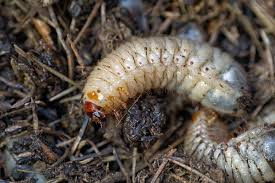
Larva, that's the young of an insect, is the Latin word for a 'ghost, spectre'.

Ledger today suggests an accounts book, historically it was a book which remained in one place.

Legend may suggest a glorious tale or myth today, but its earliest use was specifically the story of a saint's life.

Lewd today is anything coarse of crude, but when first used in the sixteenth century meant anything but, for the sixteenth century usage would suggest 'lay' in the sense of 'not clerical'

Liaison means 'cooperation, communication', but came to English in the seventeenth century to refer to the thickening of sauces (especially using egg yolks) in cooking.

List is a column of items or notes today, but originally referred to the 'border, strip' on the page.

Literature is surely nothing other than the written word, but in the fourteenth century it was used in a much more general sense to mean 'learning, knowledge'.

Litter has two meanings today - multiple births for an animal, or rubbish - but historically it came from Old French and meant 'bed'.

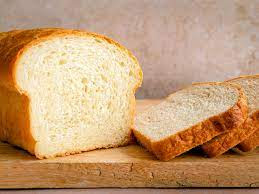
Loaf today refers to the whole baked lump of bread, but historically was used as a synonym for 'bread'.

Loan has to be given back today, it's what the word means. But before the fifteenth century it referred to a gift, particularly one from a person of superior standing or a gift seen as coming from God.

Locket may be a small container worn as an item of jewellery today, but when it first came to English it referred to an iron bar across a window - designed, quite literally, to 'lock it'.

Lollipop is specifically a sweet on a stick, but before the eighteenth century it referred to any sweets.

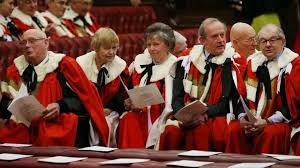
Lord, as in the rank and not the deity, may be a member of the nobility today, but when first used in English described a hlafweard which literally means 'loaf ward' or 'keeper of the bread'.

Lot, as in a large amount or many, came to English meaning 'portion' as is still used in words such as 'allotted'.

Lucid is a synonym of 'clear, plain', but when it came to English from French in th sixteenth century, it meant 'shining'.

Sunday, 20 March 2016

Dominica Place Names Explained

Having blogged samples of my books on English place names and also examined the etymologies of the nations of the world and their respective capitals I thought it time to cast my net a little wider. This time Dominica and a look at some of its largest settlements, there are no cities on this island, and most interesting names.

Salisbury takes the name of the British politician Robert Gascoyne-Cecil, 3rd Marquess of Salisbury, who served as prime minister for three terms over a period of thirteen years. The local Creole name for the town is Barroui - pronounced bah wee.

Grand Bay and its alternative English name of South City need no explanation. The village's local name is Berekua or Berricoa.

Calibishie gets its name from the native Arawakan language spoken by the Kalinagos people later known as the Caribs. In this language cali means 'net' and bishie 'reef' and thus describes 'the reef of nets' and gives some indication of how the people gathered protein from the sea to supplement vegetable matter from the forest, the latter also providing building materials.

Wesley, during the 1860s Wesleyville, was named for the Wesleyan missionaries who settled here.

Roseau is the capital and is named after the Roseau River, itself named by the French in the 16th or 17th century for the 'reeds' growing along its backs.

Delices is from the French word delices 'delights' or perhaps better seen as delice 'a delightful thing'.

Massacre is an ominous a name as it appears, this the massacre of the Carib locals by Europeans in 1674.

Paix Bouche is derived from the local Creole language, quite literally this means 'shut your mouth'.

Petite Savanne is from the French for 'little savannah'.

Scott's Head is named after Colonel George Scott, who helped the British secure Dominica from the French and later became lieutenant governor of the island for three years from 1764.

Vielle Case is a local French name meaning 'old house'.

La Vie Douce is a farming area aptly named as this means 'the sweet life'.

Note the spellings of the places are English as the piece is written in English.