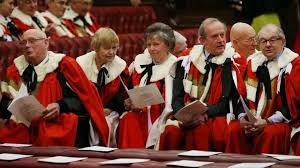
With the original definition of 'lord' I might not want the title. I only said 'might', note.
Large today is the opposite of 'small', but when it first came to English in the twelfth century it was used more in the sense of 'liberal' or 'generous'.
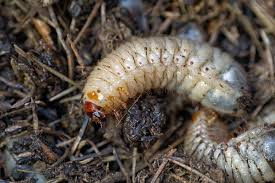
Larva, that's the young of an insect, is the Latin word for a 'ghost, spectre'.
Ledger today suggests an accounts book, historically it was a book which remained in one place.
Legend may suggest a glorious tale or myth today, but its earliest use was specifically the story of a saint's life.
Lewd today is anything coarse of crude, but when first used in the sixteenth century meant anything but, for the sixteenth century usage would suggest 'lay' in the sense of 'not clerical'
Liaison means 'cooperation, communication', but came to English in the seventeenth century to refer to the thickening of sauces (especially using egg yolks) in cooking.
List is a column of items or notes today, but originally referred to the 'border, strip' on the page.
Literature is surely nothing other than the written word, but in the fourteenth century it was used in a much more general sense to mean 'learning, knowledge'.
Litter has two meanings today - multiple births for an animal, or rubbish - but historically it came from Old French and meant 'bed'.
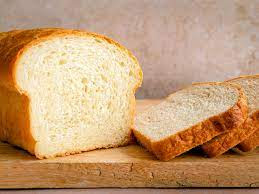
Loaf today refers to the whole baked lump of bread, but historically was used as a synonym for 'bread'.
Loan has to be given back today, it's what the word means. But before the fifteenth century it referred to a gift, particularly one from a person of superior standing or a gift seen as coming from God.
Locket may be a small container worn as an item of jewellery today, but when it first came to English it referred to an iron bar across a window - designed, quite literally, to 'lock it'.
Lollipop is specifically a sweet on a stick, but before the eighteenth century it referred to any sweets.
Lord, as in the rank and not the deity, may be a member of the nobility today, but when first used in English described a hlafweard which literally means 'loaf ward' or 'keeper of the bread'.
Lot, as in a large amount or many, came to English meaning 'portion' as is still used in words such as 'allotted'.
Lucid is a synonym of 'clear, plain', but when it came to English from French in th sixteenth century, it meant 'shining'.
Showing posts with label loan. Show all posts
Sunday, 31 October 2021
Sunday, 23 November 2014
An A-Z of English Loanwords
After looking at the origins of some of the newer words and phrases added to the English language last time, I began thinking about earlier loanwords. English is positively rife with examples, hence I chose a simple A to Z format, paying particular attention to those which have been around long enough to have seen a change in meaning.
A is for Admiral
Comes from Arabic amir, where it shares a root with emir, and originally spoke of a commander on land, whereas English usage is a naval rank.
B is for Bully
A very negative expression in modern English and one coming to our language from Dutch boel meaning 'lover' or 'brother'.
C is for Carrot
Not seen in English until the sixteenth century, it is thought to come from the Proto-Indo-European root ker meaning 'horn, head'.
D is for Drug
Today medicinal and coming to our language through Old French droge 'supply, stock, provision' and from Middle Dutch and Low German drog-vate 'dry barrels'. The Old French meaning shows it was misunderstood as referring to the contents and not a barrel containing dry goods.
E is for Easel
Today the stand used to support a canvas, for an artist, or a chalkboard, for a teacher. Originally this was the Dutch ezel meaning 'donkey'.
F is for Fetish
In the modern era most often used to refer to unusual sexual preferences. It comes from Portuguese fetiches where it referred to the charms and talismans worshipped by the inhabitants of the coastal region of Africa near Guinea and also adopted by the Portuguese sailors and merchants who discovered them.
G is for Garble
Today's meaning of incoherent or jumbled speech is remarkably recent. Until the nineteenth century it was used to mean 'to sift' and first came to Western Europe as Catalan garbellar meaning 'to sift' and invariably used in reference to spices and dyes.
H is for Hug
Probably used more today that it has ever been, it is first seen in Old English as hycgan meaning 'to think, consider'.
I is for Indigo
Today only ever a colour and rarely mentioned unless speaking of the rainbow or spectrum. It originates as a Portuguese reference to the 'dye from India', one which, rather predictably, produced such a colour.
J is for Jeer
Today's use of 'to mock' is rather different to the German scheren 'to shear'.
K is for Knickerbockers
Perhaps some would see this as an item of attire. Others, such as I, would instantly think of a rather large dessert. Both are very much removed from the original Dutch meaning of 'toy marble baker'.
L is for Lambada
A well-known dance one would think, but beware accepting an invitation to dance for it was originally Portuguese lambada meaning 'beating, lashing'.
M is for Macrame
The modern use of a textile made from knotting rather than weaving or knitting is very different from the original Arabic qaram. By the time it reached English in the nineteenth century it had evolved through Turkish, Italian and French and very much changed since the Arabic meaning of 'to nibble persistently'.
N is for Nasty
Another Dutch loanword and one originally seen as nestig or 'like a bird's nest'.
O is for Orange
Originally a reference to the fruit in English and first seen in the 13th century. As a colour it was not used until the 13th century, prior to that the colour orange was known as geoluread or 'yellow-red'. The House of Orange has a completely different etymology, coming from the place name and named after the Celtic water god Arausio. The colour was not adopted by the House of Orange until the sixteenth century.
P is for Poppycock
Probably seen in the 21st century as a rather polite way to describe another's opinion with which one disagrees. The original Dutch pappekak meant 'soft dung'.
Q is for Quisling
As many will know a word not used until the Second World War and a reference to Vidkun Quisling, the Norwegian traitor who headed the puppet government under German occupation for which he was tried and shot.
R is for Robot
Another word recently introduced to English, somewhat predictably considering the scientific usage of today. It comes from the Czech language where robot originally meant 'labour, drudgery'.
S is for Slim
Today something many would strive to become and spend a great deal of time, effort and money in doing so. The original Dutch slim could be 'bad, sly, crooked'.
T is for Tariff
Today is a tax, particular on goods crossing international boundaries. Originally this Arabic word was arraf meaning 'to notify'.
U is for Ukelele
Possibly the best known of this list, for while the instrument may come to mind the original Hawaiian described a 'jumping flea'.
V is for Vernacular
Common speech today, originating from Latin verna meaning 'home-born slave'.
W is for Widow
Either the female 'widow' or the male 'widower' describe a marriage ended by the death of one individual. It can be traced to the Latin viduus meaning 'bereft, void' and ultimately from the root weidh 'to separate'.
X is for Xenophobia
Something of a cheat as I was unable to find anything beginning with X in fairly common use in English. However as the idea was to find a different original meaning 'xenophobia' does fit. This is from the greek xeno 'foreign, strange' phobia 'fear', but was earlier used (until at least 1884) in the same context as 'agoraphobia' would be today.
Y is for Yacht
Coming to English from Dutch, where it referred to a'hunting ship'. it can be traced to the Proto-Indo-European yek meaning 'to hunt'.
Z is for Zebra
Today the image of black and white stripes comes to mind, however the Portuguese zebro described the female of a kind of deer.
A is for Admiral
Comes from Arabic amir, where it shares a root with emir, and originally spoke of a commander on land, whereas English usage is a naval rank.
B is for Bully
A very negative expression in modern English and one coming to our language from Dutch boel meaning 'lover' or 'brother'.
C is for Carrot
Not seen in English until the sixteenth century, it is thought to come from the Proto-Indo-European root ker meaning 'horn, head'.
D is for Drug
Today medicinal and coming to our language through Old French droge 'supply, stock, provision' and from Middle Dutch and Low German drog-vate 'dry barrels'. The Old French meaning shows it was misunderstood as referring to the contents and not a barrel containing dry goods.
E is for Easel
Today the stand used to support a canvas, for an artist, or a chalkboard, for a teacher. Originally this was the Dutch ezel meaning 'donkey'.
F is for Fetish
In the modern era most often used to refer to unusual sexual preferences. It comes from Portuguese fetiches where it referred to the charms and talismans worshipped by the inhabitants of the coastal region of Africa near Guinea and also adopted by the Portuguese sailors and merchants who discovered them.
G is for Garble
Today's meaning of incoherent or jumbled speech is remarkably recent. Until the nineteenth century it was used to mean 'to sift' and first came to Western Europe as Catalan garbellar meaning 'to sift' and invariably used in reference to spices and dyes.
H is for Hug
Probably used more today that it has ever been, it is first seen in Old English as hycgan meaning 'to think, consider'.
I is for Indigo
Today only ever a colour and rarely mentioned unless speaking of the rainbow or spectrum. It originates as a Portuguese reference to the 'dye from India', one which, rather predictably, produced such a colour.
J is for Jeer
Today's use of 'to mock' is rather different to the German scheren 'to shear'.
K is for Knickerbockers
Perhaps some would see this as an item of attire. Others, such as I, would instantly think of a rather large dessert. Both are very much removed from the original Dutch meaning of 'toy marble baker'.
L is for Lambada
A well-known dance one would think, but beware accepting an invitation to dance for it was originally Portuguese lambada meaning 'beating, lashing'.
M is for Macrame
The modern use of a textile made from knotting rather than weaving or knitting is very different from the original Arabic qaram. By the time it reached English in the nineteenth century it had evolved through Turkish, Italian and French and very much changed since the Arabic meaning of 'to nibble persistently'.
N is for Nasty
Another Dutch loanword and one originally seen as nestig or 'like a bird's nest'.
O is for Orange
Originally a reference to the fruit in English and first seen in the 13th century. As a colour it was not used until the 13th century, prior to that the colour orange was known as geoluread or 'yellow-red'. The House of Orange has a completely different etymology, coming from the place name and named after the Celtic water god Arausio. The colour was not adopted by the House of Orange until the sixteenth century.
P is for Poppycock
Probably seen in the 21st century as a rather polite way to describe another's opinion with which one disagrees. The original Dutch pappekak meant 'soft dung'.
Q is for Quisling
As many will know a word not used until the Second World War and a reference to Vidkun Quisling, the Norwegian traitor who headed the puppet government under German occupation for which he was tried and shot.
R is for Robot
Another word recently introduced to English, somewhat predictably considering the scientific usage of today. It comes from the Czech language where robot originally meant 'labour, drudgery'.
S is for Slim
Today something many would strive to become and spend a great deal of time, effort and money in doing so. The original Dutch slim could be 'bad, sly, crooked'.
T is for Tariff
Today is a tax, particular on goods crossing international boundaries. Originally this Arabic word was arraf meaning 'to notify'.
U is for Ukelele
Possibly the best known of this list, for while the instrument may come to mind the original Hawaiian described a 'jumping flea'.
V is for Vernacular
Common speech today, originating from Latin verna meaning 'home-born slave'.
W is for Widow
Either the female 'widow' or the male 'widower' describe a marriage ended by the death of one individual. It can be traced to the Latin viduus meaning 'bereft, void' and ultimately from the root weidh 'to separate'.
X is for Xenophobia
Something of a cheat as I was unable to find anything beginning with X in fairly common use in English. However as the idea was to find a different original meaning 'xenophobia' does fit. This is from the greek xeno 'foreign, strange' phobia 'fear', but was earlier used (until at least 1884) in the same context as 'agoraphobia' would be today.
Y is for Yacht
Coming to English from Dutch, where it referred to a'hunting ship'. it can be traced to the Proto-Indo-European yek meaning 'to hunt'.
Z is for Zebra
Today the image of black and white stripes comes to mind, however the Portuguese zebro described the female of a kind of deer.
Subscribe to:
Posts (Atom)