A few will be aware I have been known to speak on various subjects over the years. Fundamentally these all revolve around my favourite subject of etymology. Have always enjoyed bringing this fascinating subject to others. It’s not for me to say whether the audiences have, although many have asked me to return.
Thought it might be worthwhile sharing a snippet or two from these etymological presentations, continuing with Beer Names. Hobgoblin, Doombar, Jail, and many, many others. These real ales are today the lifeblood of the modern pub. Many a smile is raised by the wonderful names and yet do we have any idea where these come from? Book the talk and you'll soon be an expert!
Bowland Breweries gave me four of their choices: Bowland Gold – simply refers to the colour; Buster IPA – is named after the owner’s dog; Hen Harrier – is a local bird; Pheasant Plucker – a well-known tongue twister.
Chiltern Brewery offered John Hampden’s Golden Harvest Ale – named after the Civil War leader who lived in Aylesbury. Launched officially by the Earl of Buckinghamshire, a direct descendant of John Hampden, it was brewed to mark the company’s 15th anniversary.
Bowman Ales: At the brewery they thought it would be nice to follow a bowman and/or archery theme and thought about using ‘Swift One’ not only an archery thing but also popping down to the local for a swift one. The brewery is in the Meon Valley and this is named after the River Meon, a British river name meaning ‘swift one’ – if only they’d known!
Ringwood: Boondoggle – is a local term meaning ‘to go on a jolly’.
Theakstons Old Peculier – named after the Ecclesiastical status of Masham, a distinction granted in medieval times.
If you think you know someone who would like to hear me speak on this subject, drop me a line.
Showing posts with label beer. Show all posts
Sunday, 21 June 2026
Sunday, 28 December 2025
Origins of Pub Names
A few will be aware I have been known to speak on various subjects over the years. Fundamentally these all revolve around my favourite subject of etymology. Have always enjoyed bringing this fascinating subject to others. It’s not for me to say whether the audiences have, although many have asked me to return.
Thought it might be worthwhile sharing a snippet or two from these etymological presentations, continuing with Origins of Pub Names
I once worked at a pub called the Ale Stake. It had the story of the origin of the name on the wall, saying it recalled Saxon to Medieval times, when travelers were alerted to a home brew available nearby with a tree where the lower branches had been removed and a sheaf of barley tied at eye level.
Pub names generally fall into a handful of categories: Heraldic, such as the Red lion; Royalist, the Royal Oak being one; the church, such as the Cross Keys; the product, the Three Tuns; and welcoming and humorous, such as the Dew Drop Inn.
If you think you know someone who would like to hear me speak on this subject, drop me a line.
Thought it might be worthwhile sharing a snippet or two from these etymological presentations, continuing with Origins of Pub Names
I once worked at a pub called the Ale Stake. It had the story of the origin of the name on the wall, saying it recalled Saxon to Medieval times, when travelers were alerted to a home brew available nearby with a tree where the lower branches had been removed and a sheaf of barley tied at eye level.
Pub names generally fall into a handful of categories: Heraldic, such as the Red lion; Royalist, the Royal Oak being one; the church, such as the Cross Keys; the product, the Three Tuns; and welcoming and humorous, such as the Dew Drop Inn.
If you think you know someone who would like to hear me speak on this subject, drop me a line.
Saturday, 6 August 2022
Synonym Etymologies R
Continuing the look at synonyms through the eyes of the etymologist, this time it is the letter R and round. It can be traced through Old French to Latin and rotundus 'like a wheel', which is where the trail ends. Also of interest is how the word came to English from the French roont and Anglo-French rounde as a surname.
Circular is clearly from 'circle', which is another from the Latin group of languages and where Latin circulus 'small ring, hoop'.
Bulbous is derived from bulb, itself from the French bulbe meaning 'onion'. This can be traced to the Greek bolbos 'plant with round swelling on an underground stem'.
Curved, from curve, can be traced to Latin curvus 'crooked, bent' and ultimately Proto-Indo-European sker 'to turn, bend'.
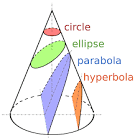
Elliptical is derived from ellipse, and the first of two words which are not strictly 'round' in the correct sense. Ellipse comes from the Old French ellipse and further back to Latin ellipsis which not only meant 'ellipse' but also 'a falling short, a deficit' and clearly as in the sense of 'not a circle'. These both come from the Greek elleipsis and first coined by Apollonius of Pergia in the 3rd century BCE, to describe the section of the acute-angled cone which is smaller at the base than the side.
Oval is another 'not round' words, comes from Latin ovalis or 'egg-shaped'. Note the term 'Oval Office' to refer to the Presidency of the USA is first seen in 1942.
Spherical is the first of two words which are three dimensional and thus not 'round' in the usual sense. Derived from 'sphere', the word comes from Old French espereand Latin sphaera 'globe, ball, celestial sphere'.
Cylindrical, from cylinder, came to English from Old French cylindre and Latin cylindrus 'roller, cylinder, roll'.
Around has been increasingly ignored in favour of round and, unsurprisingly, shares the same root.
Round is also used in a number of phrases: round the clock is first recorded in 1715; round the world appears in 1600; round the corner in 1743; nobody took a round trip until 1844; a round number (multiples of ten, hundred, thousand, etc) from 1640; to make the rounds as recently as 1967; and nobody bought a round of drinks until 1880 and interestingly it was banned from July 1916 until June 1919.
Circular is clearly from 'circle', which is another from the Latin group of languages and where Latin circulus 'small ring, hoop'.
Bulbous is derived from bulb, itself from the French bulbe meaning 'onion'. This can be traced to the Greek bolbos 'plant with round swelling on an underground stem'.
Curved, from curve, can be traced to Latin curvus 'crooked, bent' and ultimately Proto-Indo-European sker 'to turn, bend'.
Elliptical is derived from ellipse, and the first of two words which are not strictly 'round' in the correct sense. Ellipse comes from the Old French ellipse and further back to Latin ellipsis which not only meant 'ellipse' but also 'a falling short, a deficit' and clearly as in the sense of 'not a circle'. These both come from the Greek elleipsis and first coined by Apollonius of Pergia in the 3rd century BCE, to describe the section of the acute-angled cone which is smaller at the base than the side.
Oval is another 'not round' words, comes from Latin ovalis or 'egg-shaped'. Note the term 'Oval Office' to refer to the Presidency of the USA is first seen in 1942.
Spherical is the first of two words which are three dimensional and thus not 'round' in the usual sense. Derived from 'sphere', the word comes from Old French espereand Latin sphaera 'globe, ball, celestial sphere'.
Cylindrical, from cylinder, came to English from Old French cylindre and Latin cylindrus 'roller, cylinder, roll'.
Around has been increasingly ignored in favour of round and, unsurprisingly, shares the same root.
Round is also used in a number of phrases: round the clock is first recorded in 1715; round the world appears in 1600; round the corner in 1743; nobody took a round trip until 1844; a round number (multiples of ten, hundred, thousand, etc) from 1640; to make the rounds as recently as 1967; and nobody bought a round of drinks until 1880 and interestingly it was banned from July 1916 until June 1919.
Sunday, 21 March 2021
Drunken Assault
15th February 1902 and Maud Shipley, aged 28 of Lombard Street was arrested when found running down Lombard Street at 10:40pm by PC Williams shouting, “Oh my lad, what have I done?” At her home on the sofa in the kitchen they found her husband Frank. Part of the lobe of his left ear was missing, there was a wound to his neck, and a 1.1/2-inch gash to his face – he was bleeding heavily. A white-handled knife also covered in blood was also present.
At the inquest adjournment followed, as victim was unable to attend. A week later, head swathed in bandages and looking very unwell, he gave evidence. He was a waggoner, employed by Mr Summerfield, a coal dealer. He left work, called at the Mitre Inn for a pint, then arrived home to find his wife very aggressive, agitated, excitable, the worse for drink and demanding money. He refused and went out for a shave. On coming out of the barbers’ she was waiting for him and again demanding money. She followed him home, again and again demanding money. Eventually he went back to the Mitre Inn to fill a bottle with beer so he could drink it with his supper.
The couple had three children, the oldest 5 and youngest almost 2. Sister said she had seen her sister Maud several times that day complaining of money, she had shared a beer with her, and two other women had got her from the Grapes Inn, and thought her ‘half and half’ with the drink. A passer-by saw her banging on her door, screaming “I will finish the bastard before the night’s out”. She then re-entered, he watched as she picked up a knife and stabbed Frank three or four times in quick succession. He passed her as she ran out and attended to the man who was bleeding profusely and he stated “She was three sheets”. A second passer-by arrived to assist. Second witness went for the doctor and the police. When the doctor arrived, he noted a great deal of blood both inside and outside the house, the place looked like a slaughterhouse. Sent to court she claimed her husband had thrown that very knife at her twice before, although there was no evidence to support this. She was sentenced to three months with hard labour.
At the inquest adjournment followed, as victim was unable to attend. A week later, head swathed in bandages and looking very unwell, he gave evidence. He was a waggoner, employed by Mr Summerfield, a coal dealer. He left work, called at the Mitre Inn for a pint, then arrived home to find his wife very aggressive, agitated, excitable, the worse for drink and demanding money. He refused and went out for a shave. On coming out of the barbers’ she was waiting for him and again demanding money. She followed him home, again and again demanding money. Eventually he went back to the Mitre Inn to fill a bottle with beer so he could drink it with his supper.
The couple had three children, the oldest 5 and youngest almost 2. Sister said she had seen her sister Maud several times that day complaining of money, she had shared a beer with her, and two other women had got her from the Grapes Inn, and thought her ‘half and half’ with the drink. A passer-by saw her banging on her door, screaming “I will finish the bastard before the night’s out”. She then re-entered, he watched as she picked up a knife and stabbed Frank three or four times in quick succession. He passed her as she ran out and attended to the man who was bleeding profusely and he stated “She was three sheets”. A second passer-by arrived to assist. Second witness went for the doctor and the police. When the doctor arrived, he noted a great deal of blood both inside and outside the house, the place looked like a slaughterhouse. Sent to court she claimed her husband had thrown that very knife at her twice before, although there was no evidence to support this. She was sentenced to three months with hard labour.
Sunday, 20 December 2020
Trouble Brewing
Tuesday 9th January 1906 and brewer’s labourer James Cannon is at the Lichfield Brewery Co. Ltd. At 12:30 he is wearing heavy clogs as he slipped while adding hops to the contents of the copper boiler. Witness emptied the first can and was taking it away when he heard a splash. He turned to discover just Cannon's right hand hanging on to the side and immediately pulled him out. He walked to the office, badly scalded, where they stripped him and oiled the scalds. Dr Welchman arrived and ordered him to the Victoria Nursing Home, where James Cannon died three days later.
Sunday, 25 March 2018
A Bloody Tale
February 1902 and PC Williams is following his regular route around the streets of Lichfield, coming along Lombard Street at 10:40pm. It was here he saw a woman running towards him and crying out "Oh my lad, what have I done?" Being a good officer he took hold of her and took her back to investigate further. On entering the house, he discovered her husband, Frank, on the sofa in the kitchen. Blood was everywhere. Maud Shipley was arrested.
The first inquest had to be adjourned as the main witness, the victim, had been too ill to come to court. Indeed, the following week he appeared heavily swathed in bandages and looking most frail. It was then the story began to unfold. Frank Shipley had been employed by Mr Summerfield, a coal deal, as a waggoner. Leaving work he had called in to the Mitre Inn for a well-earned pint on his way home.
Arriving at his home in Lombard Street he discovered his wife to be most agitated, in an aggressive and excitable state, clearly the worse for drink and demanding money. Frank refused and turned on his heel, going out to get a shave. When he emerged from the barber's shop he was met by his wife who, once again, was demanding money and this continued as she followed him home. No sooner had he reached home than Frank went back out, this time to the Mitre Inn to fill a bottle with beer so he could drink it with his supper.
At this point the inquest heard from her sister who had spent some of the earlier part of that day with her. Indeed had seen her on a number of occassions, each time she had been complaining of a lack of money. Both she and two other women had shared their beer with Maud, eventually brining her home from the Grapes Inn where she was described as being "Half and half with the drink".
Another witness came to the stand and spoke of Maud banging on the door screaming "I will finish the bastard before the night's out". He followed her into her house to witness her picking up a knife and stabbing Frank three or four times in quick succession. She passed him by as she ran into the street, while he went to see how he could help the man who was bleeding profusely. He described Maud as being "Three sheets".
A second passer-by then entered and went back out to summon medical assistance. When the doctor gave evidence he described the scene as looking like a slaughterhouse. Mr Shipley having several wounds about the head, including a severed ear lobe, a two-inch gash across his face, and a wound to the neck.
When the case came to court the accused claimed she had acted in self-defence, that the very knife brought as evidence had been thrown at her by Frank at least twice. There was no evidence to support this claim and Maud Shipley, aged 28, was found to be guilty of the assault on her husband and sentenced to three months hard labour. This left Frank, himself still far from well, to look after their three children - the eldest five years and the youngest just two.
The first inquest had to be adjourned as the main witness, the victim, had been too ill to come to court. Indeed, the following week he appeared heavily swathed in bandages and looking most frail. It was then the story began to unfold. Frank Shipley had been employed by Mr Summerfield, a coal deal, as a waggoner. Leaving work he had called in to the Mitre Inn for a well-earned pint on his way home.
Arriving at his home in Lombard Street he discovered his wife to be most agitated, in an aggressive and excitable state, clearly the worse for drink and demanding money. Frank refused and turned on his heel, going out to get a shave. When he emerged from the barber's shop he was met by his wife who, once again, was demanding money and this continued as she followed him home. No sooner had he reached home than Frank went back out, this time to the Mitre Inn to fill a bottle with beer so he could drink it with his supper.
At this point the inquest heard from her sister who had spent some of the earlier part of that day with her. Indeed had seen her on a number of occassions, each time she had been complaining of a lack of money. Both she and two other women had shared their beer with Maud, eventually brining her home from the Grapes Inn where she was described as being "Half and half with the drink".
Another witness came to the stand and spoke of Maud banging on the door screaming "I will finish the bastard before the night's out". He followed her into her house to witness her picking up a knife and stabbing Frank three or four times in quick succession. She passed him by as she ran into the street, while he went to see how he could help the man who was bleeding profusely. He described Maud as being "Three sheets".
A second passer-by then entered and went back out to summon medical assistance. When the doctor gave evidence he described the scene as looking like a slaughterhouse. Mr Shipley having several wounds about the head, including a severed ear lobe, a two-inch gash across his face, and a wound to the neck.
When the case came to court the accused claimed she had acted in self-defence, that the very knife brought as evidence had been thrown at her by Frank at least twice. There was no evidence to support this claim and Maud Shipley, aged 28, was found to be guilty of the assault on her husband and sentenced to three months hard labour. This left Frank, himself still far from well, to look after their three children - the eldest five years and the youngest just two.
Sunday, 24 December 2017
Raising a Glass
At this time of the year many will enjoy a drink. Even I have been known to take the top off a bottle around this time. Some will enjoy a glass of wine, others their spirit of choice but, should I be tempted, will open a bottle of real ale.
Quite mind-boggling just how many different brews are available these days. Many having the most extraordinary names. Indeed, this intrigued me so much that this year saw me offering talks (with thanks to the many brewers who contributed) on this very subject, a taster of which follows.
But first an introduction to the basic terminology and the etymology. The question came from thinking about ale, so let's begin with that.
Ale - has hardly changed since Proto-Indo-European alu-t and seen in Proto-Germanic aluth and Old English eali. All these early forms mean 'ale' and thus the brew and the word have equally great longevity - indeed there is one school of thought which theorises how it was the brewing of beer which initially made mankind pause as hunter-gatherers and may well have been the initial stage of permanent settlements. This is thebeer before bread theory .
Beer - a Germanic word, it is derived from the same root as Latin bibere 'to drink' and in turn from Proto-Indo-European poi 'to drink'.
Mild - not heard too often these days, the term once referred to the less sharp brew when compared to bitter (hence the name). The word comes from Proto-Indo-European meldh 'soft'.
Bitter - shares an origin with 'bite' - we still describe a flavour or taste as having 'bite' - and began as Proto-Indo-European bheid 'to split'.
Lager - began as the German Lagerbier meaning 'beer brewed for keeping' and with the first element of Lager referring to the 'storehouse' and coming from the Proto-Indo-European legh 'to lie down'.
Pilsner - instantly we think 'German' but we would only be half right. The original term was Pilsner Urquell where the second word means 'primary source' and that would have been the town known as Pilsen in Germany but as Plzen in Czech, where the Old Czech plz gave the place its name meaning 'damp, moist'.
Barrel - came to English from Old French baril 'barrel, cask, vat' and can also be seen in Italian barile and Spanish barril but the trail ends there and the origins unknown.
Tap - originally referred to the spigot or plug which would have been the simplest tap, the term is Germanic and has changed little in thousands of years.
Bottle - originally made of leather sealed with tar, it is derived from the Latin buttis meaning 'a cask' and is undoubtedly borrowed from the Greek.
Glass - even as far back as Proto-Germanic this was found as glass, the word comes from Proto-Indo-European ghel 'to shine'.
Wine - no surprise to find it comes from Latin vinum, in turn from Proto-Indo-European woin-o, both with the same meaning.
Spirit - not used to mean strong alcoholic drink until 1670, the word is derived from Proto-Indo-European speis 'to blow'.
Brandy - came to English from the Middle Dutch brandewijn 'burnt wine'.
Whisky - began as 'whiskey' and from Old Irish uisce 'water' and Proto-Indo-European ud-skio from the root wed 'wet'.
Rum - of uncertain origins but certainly known as rumbullion in 1651 and rombostion in 1652 - this may be from the adjective rum from the Romany rom 'male'.
Vodka - is the Russian for 'little water' and from Proto-Indo-European woda and the same root as 'whisky' of wed 'wet'.
Gin - a shortened form of Old French geneva itself referring to the juniper plant, which is the basis for the drink. The origin of 'juniper' is unknown, almost certainly a non-Indo-European language.
But we began with the subject of ales and some of the unusual names, so here are a few examples courtesy of the breweries themselves.
BR> Bowland Breweries: Buster IPA – named after the owner’s dog
Coniston Brewery: Asrai – is a mythical fairy that lives in the copper mines above Coniston. She is so beautiful that as soon as anyone sees her they want to capture her but as soon as she is touched she disappears and turns into a pool of water.
St Austell Brewery: Tribute – the flagship ale also has an interesting story. When head brewer Roger Ryman joined from MacLays in Scotland in 1998, he had an idea for a beer that he swore he would never brew until he was a head brewer – they were lucky enough to benefit from his decision. In 1999, Roger used the idea to create a special brew to celebrate the total solar eclipse that took place that August of 1999. He named the drink Daylight Robbery to mark the event. So popular was this brew that he rebrewed it the following year as a summer special. The, in 2001, to mark St Austell’s 150th anniversary he relaunched the beer to pay tribute to all those people who had contributed across the years to make the company so successful. He named it Tribute and the rest, is history.
Chiltern Brewery: Bodgers Barley Wine – celebrates the ancient trade based locally in High Wycombe for making wooden chair legs.
Two Fingers Brewing: The name of the brewery is an oath, one making great beer for a great cause as all profits go to Prostate Cancer UK. The name is also a good old British two-fingered salute to prostate cancer, and also a nod to the cancer exam which (thankfully) is performed with just one finger, not two.
Allendale Brewery: Tar Barl – based on the New Year celebrations in the village.
Bowman Ales: At the brewery they thought it would be nice to follow a bowman and/or archery theme and thought about using ‘Swift One’ not only an archery thing but also popping down to the local for a swift one. The brewery is in the Meon Valley and this is named after the River Meon, a British river name meaning ‘swift one’ – if only they’d known!
Marstons: Hobgoblin – originally brewed as a one-off for local’s wedding. Two firkins were brewed but only one drunk so they gifted the other to a student bar in Oxford. When he collected the empty someone had drawn a picture on the side and, when it was later put into full-time production, was named Hobgoblin from the chalk figure someone had drawn on the side.
Brixton Brewery: Windrush Stout – after MV Empire Windrush, the ship that brought the first wave of West Indian immigrants to this area of South London in 1948.
Ascot Ales: Posh Pooch – named after a local woman walking a dog, the creature seen wearing a diamond-studded collar.
Ringwood: Boondoggle – is a local term meaning ‘to go on a jolly’.
Jennings: Snecklifter – to lift the latch, and sneak out of the pub.
Theakstons: Old Peculier – named after the Ecclesiastical status of Masham, a distinction granted in medieval times.
Lizard Ales: An Gof – the Cornish expression for a smith and named after a blacksmith from St Keverne who led the Cornish revolt and march to London in 1647 and came to an unpleasant end.
And if you've not had enough, you can always have a look back at at earlier post and an A to Z ofdrinking terminologies .
Quite mind-boggling just how many different brews are available these days. Many having the most extraordinary names. Indeed, this intrigued me so much that this year saw me offering talks (with thanks to the many brewers who contributed) on this very subject, a taster of which follows.
But first an introduction to the basic terminology and the etymology. The question came from thinking about ale, so let's begin with that.
Ale - has hardly changed since Proto-Indo-European alu-t and seen in Proto-Germanic aluth and Old English eali. All these early forms mean 'ale' and thus the brew and the word have equally great longevity - indeed there is one school of thought which theorises how it was the brewing of beer which initially made mankind pause as hunter-gatherers and may well have been the initial stage of permanent settlements. This is the
Beer - a Germanic word, it is derived from the same root as Latin bibere 'to drink' and in turn from Proto-Indo-European poi 'to drink'.
Mild - not heard too often these days, the term once referred to the less sharp brew when compared to bitter (hence the name). The word comes from Proto-Indo-European meldh 'soft'.
Bitter - shares an origin with 'bite' - we still describe a flavour or taste as having 'bite' - and began as Proto-Indo-European bheid 'to split'.
Lager - began as the German Lagerbier meaning 'beer brewed for keeping' and with the first element of Lager referring to the 'storehouse' and coming from the Proto-Indo-European legh 'to lie down'.
Pilsner - instantly we think 'German' but we would only be half right. The original term was Pilsner Urquell where the second word means 'primary source' and that would have been the town known as Pilsen in Germany but as Plzen in Czech, where the Old Czech plz gave the place its name meaning 'damp, moist'.
Barrel - came to English from Old French baril 'barrel, cask, vat' and can also be seen in Italian barile and Spanish barril but the trail ends there and the origins unknown.
Tap - originally referred to the spigot or plug which would have been the simplest tap, the term is Germanic and has changed little in thousands of years.
Bottle - originally made of leather sealed with tar, it is derived from the Latin buttis meaning 'a cask' and is undoubtedly borrowed from the Greek.
Glass - even as far back as Proto-Germanic this was found as glass, the word comes from Proto-Indo-European ghel 'to shine'.
Wine - no surprise to find it comes from Latin vinum, in turn from Proto-Indo-European woin-o, both with the same meaning.
Spirit - not used to mean strong alcoholic drink until 1670, the word is derived from Proto-Indo-European speis 'to blow'.
Brandy - came to English from the Middle Dutch brandewijn 'burnt wine'.
Whisky - began as 'whiskey' and from Old Irish uisce 'water' and Proto-Indo-European ud-skio from the root wed 'wet'.
Rum - of uncertain origins but certainly known as rumbullion in 1651 and rombostion in 1652 - this may be from the adjective rum from the Romany rom 'male'.
Vodka - is the Russian for 'little water' and from Proto-Indo-European woda and the same root as 'whisky' of wed 'wet'.
Gin - a shortened form of Old French geneva itself referring to the juniper plant, which is the basis for the drink. The origin of 'juniper' is unknown, almost certainly a non-Indo-European language.
But we began with the subject of ales and some of the unusual names, so here are a few examples courtesy of the breweries themselves.
BR> Bowland Breweries: Buster IPA – named after the owner’s dog
Coniston Brewery: Asrai – is a mythical fairy that lives in the copper mines above Coniston. She is so beautiful that as soon as anyone sees her they want to capture her but as soon as she is touched she disappears and turns into a pool of water.
St Austell Brewery: Tribute – the flagship ale also has an interesting story. When head brewer Roger Ryman joined from MacLays in Scotland in 1998, he had an idea for a beer that he swore he would never brew until he was a head brewer – they were lucky enough to benefit from his decision. In 1999, Roger used the idea to create a special brew to celebrate the total solar eclipse that took place that August of 1999. He named the drink Daylight Robbery to mark the event. So popular was this brew that he rebrewed it the following year as a summer special. The, in 2001, to mark St Austell’s 150th anniversary he relaunched the beer to pay tribute to all those people who had contributed across the years to make the company so successful. He named it Tribute and the rest, is history.
Chiltern Brewery: Bodgers Barley Wine – celebrates the ancient trade based locally in High Wycombe for making wooden chair legs.
Two Fingers Brewing: The name of the brewery is an oath, one making great beer for a great cause as all profits go to Prostate Cancer UK. The name is also a good old British two-fingered salute to prostate cancer, and also a nod to the cancer exam which (thankfully) is performed with just one finger, not two.
Allendale Brewery: Tar Barl – based on the New Year celebrations in the village.
Bowman Ales: At the brewery they thought it would be nice to follow a bowman and/or archery theme and thought about using ‘Swift One’ not only an archery thing but also popping down to the local for a swift one. The brewery is in the Meon Valley and this is named after the River Meon, a British river name meaning ‘swift one’ – if only they’d known!
Marstons: Hobgoblin – originally brewed as a one-off for local’s wedding. Two firkins were brewed but only one drunk so they gifted the other to a student bar in Oxford. When he collected the empty someone had drawn a picture on the side and, when it was later put into full-time production, was named Hobgoblin from the chalk figure someone had drawn on the side.
Brixton Brewery: Windrush Stout – after MV Empire Windrush, the ship that brought the first wave of West Indian immigrants to this area of South London in 1948.
Ascot Ales: Posh Pooch – named after a local woman walking a dog, the creature seen wearing a diamond-studded collar.
Ringwood: Boondoggle – is a local term meaning ‘to go on a jolly’.
Jennings: Snecklifter – to lift the latch, and sneak out of the pub.
Theakstons: Old Peculier – named after the Ecclesiastical status of Masham, a distinction granted in medieval times.
Lizard Ales: An Gof – the Cornish expression for a smith and named after a blacksmith from St Keverne who led the Cornish revolt and march to London in 1647 and came to an unpleasant end.
And if you've not had enough, you can always have a look back at at earlier post and an A to Z of
Sunday, 22 December 2013
Origins of Pub Names
As this is the season when nearly all of us will be raising a glass or two, and the subject of pub names was raised over luncheon last week – in a pub, of course - I have decided to point out the origin of a selection of pub names. Thus if the beer or wine fails to entertain, you might have something to talk about.
Although it may seem odd, the inn sign pre-dates the first recognisable inns in this country by a significant period of time. Once upon a time every family brewed their own ale. It made sense as the water could rarely be trusted to be safe to drink and the boiling part of the brewing process effectively sterilises the liquid sufficiently to ensure it is safe to drink.
In order to earn a copper or two, some settlements would offer some of the brew to travellers on the road. Such refreshment, perhaps accompanied by a hunk of bread and pottage or similar, brought much-needed revenue to the household. We are not talking about the larger communities where the main road ran straight through the village but more isolated communities.
Yet these services would have to be advertised as any well-worn path was unlikely to run past the front door. Hence to draw attention to the home brew a sheaf of barley would be tied to a prominent tree. The bole of a large tree with its lower branches removed with be noticeable enough. With a sheaf of barley tied at or just above eye level, they would be guaranteed to receive a thirsty guest or two before long. These marked and still-living trees were known as ale stakes and are easy to see as the forerunner of the modern pub sign. This is how the logical order of pub – name – sign was, in reality, quite the reverse.
In later years landlords and owners were quick to realise the sign was the equivalent of advertising hoarding of its day. Just as modern advertisers use humour and eye-catching imagery to give their product any edge over the competition, so early inns employed every trick they could think of to bring in the customers. There was one big difference, however. Today we read the name, yet literacy is a fairly modern development and our forefathers will have had to recognise the image on the sign and be able read the message it contained.
Red Lion - At its peak there were more pubs known as the Red Lion in England than any other. Numbers once exceeded six hundred but in the twenty-first century this has fallen. For such a common name the name has only been seen since the seventeenth century and, rather ironically, the most common pub name in England is representative of the monarchy of Scotland.
It began as a device on the coat of arms of the most powerful man in England in the fourteenth century, John of Gaunt. His vast riches would, in today’s money, be worth in excess of £100 billion, making him one of the twenty wealthiest people in history. His successors went on to become kings of England through lines resulting in Henry IV and Henry VII and, of course, their descendants. While few pub names can be traced to the fourteenth century and directly to John of Gaunt himself, his red lion symbol did come to England through a more circuitous route. Of his fifteen named children, four with Katherine Swynford were later legitimised by royal decree, taking the surname Beaufort. Their descendants thereafter became every ruler in Scotland from 1437 and, following the accession of the House of Stuart in 1603, every monarch of England.
Royal Oak - One of the three most common pub names in England this was unheard of before the middle of the seventeenth century, for it remembers one of the best known narratives in the history of our islands. The oak tree in question is the Boscobel Oak, a large specimen in Shifnal, Shropshire and where Charles II and his aide Colonel Carless hid from noon to nightfall to escape the Parliamentarian soldiers. Following his defeat at the Battle of Worcester in 1651, King Charles was aided by a number of his supporters as he attempted to flee the country. After a number of close shaves he was smuggled to France by members of the Pendrell family disguised as a woodman, complete with a severe haircut and stained face and arms to make it look as if he was used to working outside. Nine years later at the Restoration of the Monarchy the 29th of May, the date of the king's birthday, being chosen as the official date and thereafter was known as Royal Oak Day.
The present tree is not the original, this was destroyed by souvenir hunters in the 17th and 18th centuries who removed pieces of bark and even whole branches. A second tree, from an acorn of the first, known as the Son of the Royal Oak grew until it was badly damaged by a storm in 2000. A third tree was planted as a sapling by Prince Charles in 2001, this had been grown from an acorn taken from the 'Son' and is thus 'the grandson'. Modern-day souvenir hunters can still acquire a piece of the history, for other grandchildren of the Boscobel Oak are on sale here. Buyers receive their small oak along with a certificate of authenticity.
Stewponey – A pub in Staffordshire which should correctly be the Stewponey and Foley Arms, for the family who made their fortune from iron. This pub near Stourbridge earned its first name when a British soldier came to run the pub after seeing action during the Peninsular Wars in Spain.
His military career now over, he brought with him his new wife, a Spanish woman born in Estepona. It was his intention to add the name of her place of birth to the sign but, as none of the locals were fluent Spanish speakers, it acquired the name of Stewponey.
Sun and Slipper – The local at Mamble in Shropshire was first recorded as an inn in 1642, when it was known as the Sun. This device found on the coat of arms of the Blount family. This coaching inn once offered a maintenance service for the coaches, including changing the brake of ‘slipper’ which was soon added to the name. During the twentieth century the name was changed to the Dog and Duck but, after a veritable outcry from patrons, quickly reverted to its original name.
Tame Otter - The river has not only given a name to the town of Tamworth in Staffordshire but also this pub in nearby Hopwas. For a time this was known as the Chequers, although in recent years it has reverted to its original name of the Tame Otter. As expected the sign-painter depicts the animal Lutra lutra, once hunted for its fur and in danger of extinction the European otter is now making a comeback. Yet the engaging creature has not given its name to the pub, this comes from a simple rowing boat. Shallow, blunt-ended and for just one man, this particular vessel is rarely found away from the Trent and its tributaries. It is possible the boat, used by fishermen, was named from the water mammal but there is no evidence to confirm or refute this.
I would welcome any suggestions for themes or subjects, or even specific words to examine the origins, meanings and etymologies. I’d be delighted to hear from you. Merry Christmas!
Although it may seem odd, the inn sign pre-dates the first recognisable inns in this country by a significant period of time. Once upon a time every family brewed their own ale. It made sense as the water could rarely be trusted to be safe to drink and the boiling part of the brewing process effectively sterilises the liquid sufficiently to ensure it is safe to drink.
In order to earn a copper or two, some settlements would offer some of the brew to travellers on the road. Such refreshment, perhaps accompanied by a hunk of bread and pottage or similar, brought much-needed revenue to the household. We are not talking about the larger communities where the main road ran straight through the village but more isolated communities.
Yet these services would have to be advertised as any well-worn path was unlikely to run past the front door. Hence to draw attention to the home brew a sheaf of barley would be tied to a prominent tree. The bole of a large tree with its lower branches removed with be noticeable enough. With a sheaf of barley tied at or just above eye level, they would be guaranteed to receive a thirsty guest or two before long. These marked and still-living trees were known as ale stakes and are easy to see as the forerunner of the modern pub sign. This is how the logical order of pub – name – sign was, in reality, quite the reverse.
In later years landlords and owners were quick to realise the sign was the equivalent of advertising hoarding of its day. Just as modern advertisers use humour and eye-catching imagery to give their product any edge over the competition, so early inns employed every trick they could think of to bring in the customers. There was one big difference, however. Today we read the name, yet literacy is a fairly modern development and our forefathers will have had to recognise the image on the sign and be able read the message it contained.
Red Lion - At its peak there were more pubs known as the Red Lion in England than any other. Numbers once exceeded six hundred but in the twenty-first century this has fallen. For such a common name the name has only been seen since the seventeenth century and, rather ironically, the most common pub name in England is representative of the monarchy of Scotland.
It began as a device on the coat of arms of the most powerful man in England in the fourteenth century, John of Gaunt. His vast riches would, in today’s money, be worth in excess of £100 billion, making him one of the twenty wealthiest people in history. His successors went on to become kings of England through lines resulting in Henry IV and Henry VII and, of course, their descendants. While few pub names can be traced to the fourteenth century and directly to John of Gaunt himself, his red lion symbol did come to England through a more circuitous route. Of his fifteen named children, four with Katherine Swynford were later legitimised by royal decree, taking the surname Beaufort. Their descendants thereafter became every ruler in Scotland from 1437 and, following the accession of the House of Stuart in 1603, every monarch of England.
Royal Oak - One of the three most common pub names in England this was unheard of before the middle of the seventeenth century, for it remembers one of the best known narratives in the history of our islands. The oak tree in question is the Boscobel Oak, a large specimen in Shifnal, Shropshire and where Charles II and his aide Colonel Carless hid from noon to nightfall to escape the Parliamentarian soldiers. Following his defeat at the Battle of Worcester in 1651, King Charles was aided by a number of his supporters as he attempted to flee the country. After a number of close shaves he was smuggled to France by members of the Pendrell family disguised as a woodman, complete with a severe haircut and stained face and arms to make it look as if he was used to working outside. Nine years later at the Restoration of the Monarchy the 29th of May, the date of the king's birthday, being chosen as the official date and thereafter was known as Royal Oak Day.
The present tree is not the original, this was destroyed by souvenir hunters in the 17th and 18th centuries who removed pieces of bark and even whole branches. A second tree, from an acorn of the first, known as the Son of the Royal Oak grew until it was badly damaged by a storm in 2000. A third tree was planted as a sapling by Prince Charles in 2001, this had been grown from an acorn taken from the 'Son' and is thus 'the grandson'. Modern-day souvenir hunters can still acquire a piece of the history, for other grandchildren of the Boscobel Oak are on sale here. Buyers receive their small oak along with a certificate of authenticity.
Stewponey – A pub in Staffordshire which should correctly be the Stewponey and Foley Arms, for the family who made their fortune from iron. This pub near Stourbridge earned its first name when a British soldier came to run the pub after seeing action during the Peninsular Wars in Spain.
His military career now over, he brought with him his new wife, a Spanish woman born in Estepona. It was his intention to add the name of her place of birth to the sign but, as none of the locals were fluent Spanish speakers, it acquired the name of Stewponey.
Sun and Slipper – The local at Mamble in Shropshire was first recorded as an inn in 1642, when it was known as the Sun. This device found on the coat of arms of the Blount family. This coaching inn once offered a maintenance service for the coaches, including changing the brake of ‘slipper’ which was soon added to the name. During the twentieth century the name was changed to the Dog and Duck but, after a veritable outcry from patrons, quickly reverted to its original name.
Tame Otter - The river has not only given a name to the town of Tamworth in Staffordshire but also this pub in nearby Hopwas. For a time this was known as the Chequers, although in recent years it has reverted to its original name of the Tame Otter. As expected the sign-painter depicts the animal Lutra lutra, once hunted for its fur and in danger of extinction the European otter is now making a comeback. Yet the engaging creature has not given its name to the pub, this comes from a simple rowing boat. Shallow, blunt-ended and for just one man, this particular vessel is rarely found away from the Trent and its tributaries. It is possible the boat, used by fishermen, was named from the water mammal but there is no evidence to confirm or refute this.
I would welcome any suggestions for themes or subjects, or even specific words to examine the origins, meanings and etymologies. I’d be delighted to hear from you. Merry Christmas!
Subscribe to:
Posts (Atom)